
2026 World Landscape Architecture Month Spotlight - Signature Landscape Contractors
Enduring Luxurious Retreats: Exploring the Thought Process of Signature Landscape Contractors
The eighth and final highlight of our 2026 World Landscape Architecture Month series is Signature Landscape Contractors, catering to residents of the Greater Orlando and Central Florida areas. Signature is esteemed for crafting distinct outdoor living spaces and landscapes with top-of-the-line materials.
We corresponded with Lead Designer Andrew Swanson, Design Architect Ghias Almasri, and Design Associate Santiago Medina to discuss their key insights from designing Floridian landscapes.
Read their full interviews below:

What first drew you to landscape architecture/design, and how has that motivation evolved over time?
Design and the absence of high-quality providers of spectacular outdoor spaces drew me to the industry.
How would you define your approach to landscape design today?
Landscaping is a feeling that is independent to each project, intended to complement the architecture of the building.
Is there a project that best represents your work or approach? What makes it stand out?
There have been years of great projects — I can’t choose.
Are there specific materials, plant palettes, or design elements you consistently return to in your work? Why?
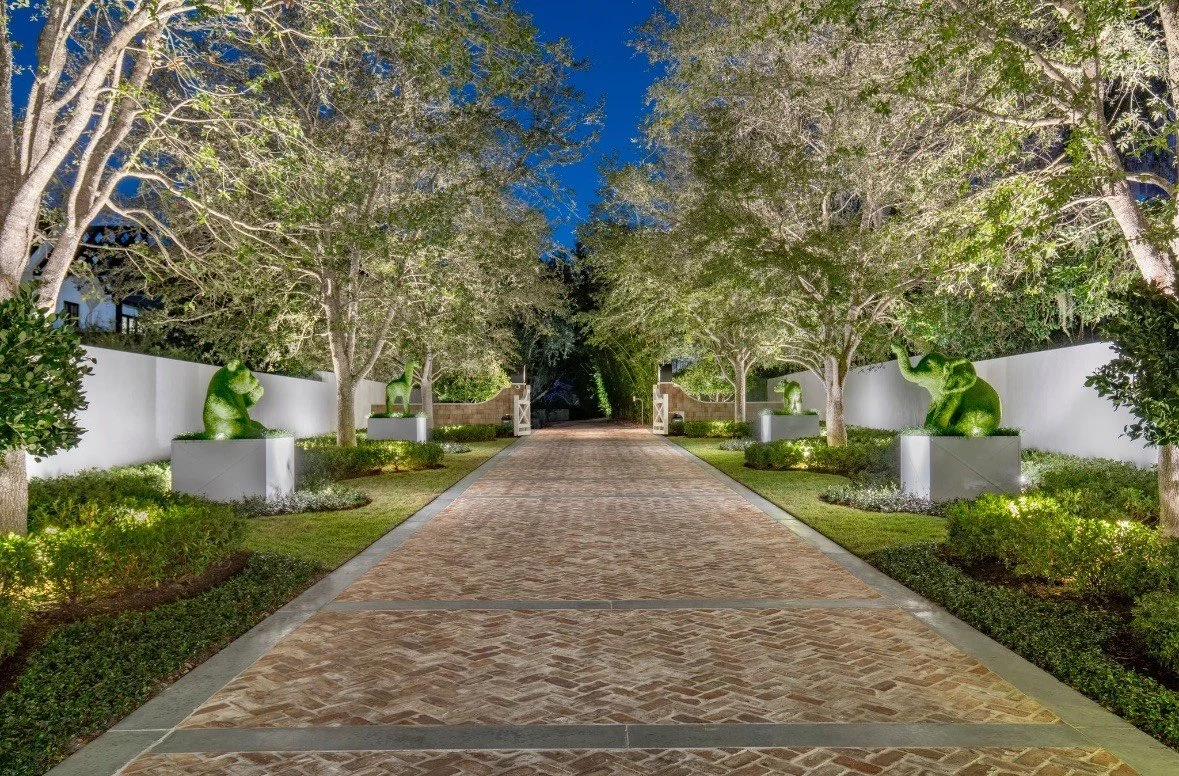
I like to use a mix of quality specimen canopy trees, a strong visual backdrop, and consistent, high-quality, hand-selected materials, densely and properly installed to create estate-level landscapes.
What shifts are you seeing in how outdoor spaces are designed or used today?
I haven’t noticed any.
What experiences, people, or projects have had the greatest influence on your perspective as a designer?
All of my experience has contributed to a larger spectrum of design elements and a greater opportunity to create.
What’s something about landscape architecture that you wish more clients or homeowners understood?
I wish they understood the costs and the intensity of energy required to create a spectacular space.

What first drew you to landscape architecture/design, and how has that motivation evolved over time?
I developed a strong passion for the influence of plants on architecture, and I found myself spending more time designing the landscape than the building itself. I realized how much it enhances the overall experience, which naturally led me to focus on creating integrated outdoor environments that truly bring architecture to life.
How would you define your approach to landscape design today?
Today, I approach landscape design as an extension of architecture—creating cohesive environments where indoor and outdoor spaces work seamlessly together. I focus on balancing aesthetics, functionality, and the natural character of plants to create elegant, livable spaces that enhance both the architecture and the user experience.
Is there a project that best represents your work or approach? What makes it stand out?
There are many projects that represent my approach, but what stands out most is how I use well-organized planting to elevate the architecture. By carefully composing layers, textures, and structure, I transform the space to a higher level of organization and luxury, where the landscape enhances the building and creates a refined, cohesive experience.
Are there specific materials, plant palettes, or design elements you consistently return to in your work? Why?
Yes, I do have preferred plant palettes and design elements that I often return to, as they create a strong sense of structure, elegance, and consistency in my work. However, I always adapt to the architecture of each project—sometimes moving beyond my usual palette to ensure there is no conflict in style and that the overall design remains cohesive and harmonious.
What shifts are you seeing in how outdoor spaces are designed or used today?
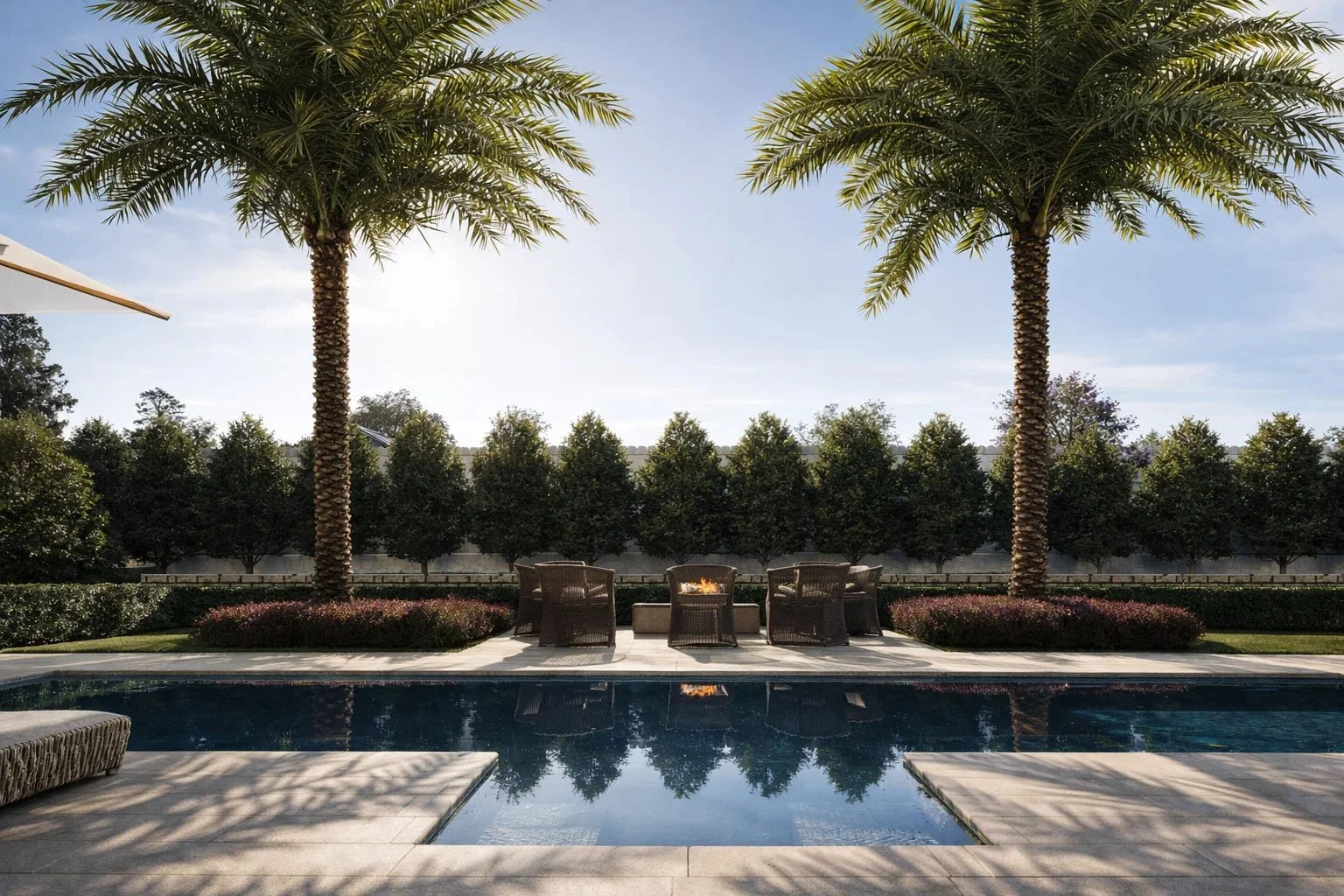
Today, outdoor spaces are becoming true extensions of indoor living, with a stronger focus on comfort, functionality, and lifestyle. I’m seeing more demand for integrated elements like outdoor kitchens, seating areas, and lighting, along with a greater emphasis on well-being, privacy, and natural planting. Overall, the shift is toward more refined, usable, and experience-driven environments.
What experiences, people, or projects have had the greatest influence on your perspective as a designer?
Working on luxury residential projects, in particular, taught me the importance of detail and how every element contributes to the overall experience. I’ve also been strongly influenced by collaborating with clients and multidisciplinary teams, which has shaped my approach to design as a balance between vision, functionality, and real-life use.
What’s something about landscape architecture that you wish more clients or homeowners understood?
I wish more clients understood that landscape design is not just decoration—it’s a fundamental part of how a space functions and feels. A well-designed landscape adds long-term value, enhances daily living, and requires thoughtful planning from the beginning, not as an afterthought.

What first drew you to landscape architecture/design, and how has that motivation evolved over time?
I was initially drawn to landscape design by the ability to transform outdoor spaces into something both functional and visually impactful. I’ve always been interested in how design can influence the way people experience a space, especially in residential environments.
Over time, that motivation has evolved into a deeper focus on creating cohesive, high-end outdoor living spaces that integrate architecture, materials, and planting design. Today, my approach is more refined and intentional, with an emphasis on balance, usability, and delivering a strong visual statement while maintaining practicality for the client.
How would you define your approach to landscape design today?
My approach to landscape design today is centered on creating clean, structured, and highly intentional outdoor spaces that feel both functional and elevated. I focus on strong geometry, balanced compositions, and a clear relationship between architecture and landscape.
I prioritize simplicity and organization, using a refined palette of materials and planting to create a cohesive and timeless result. At the same time, I pay close attention to how the space will be used, ensuring that every element serves both an aesthetic and practical purpose.
Is there a project that best represents your work or approach? What makes it stand out?
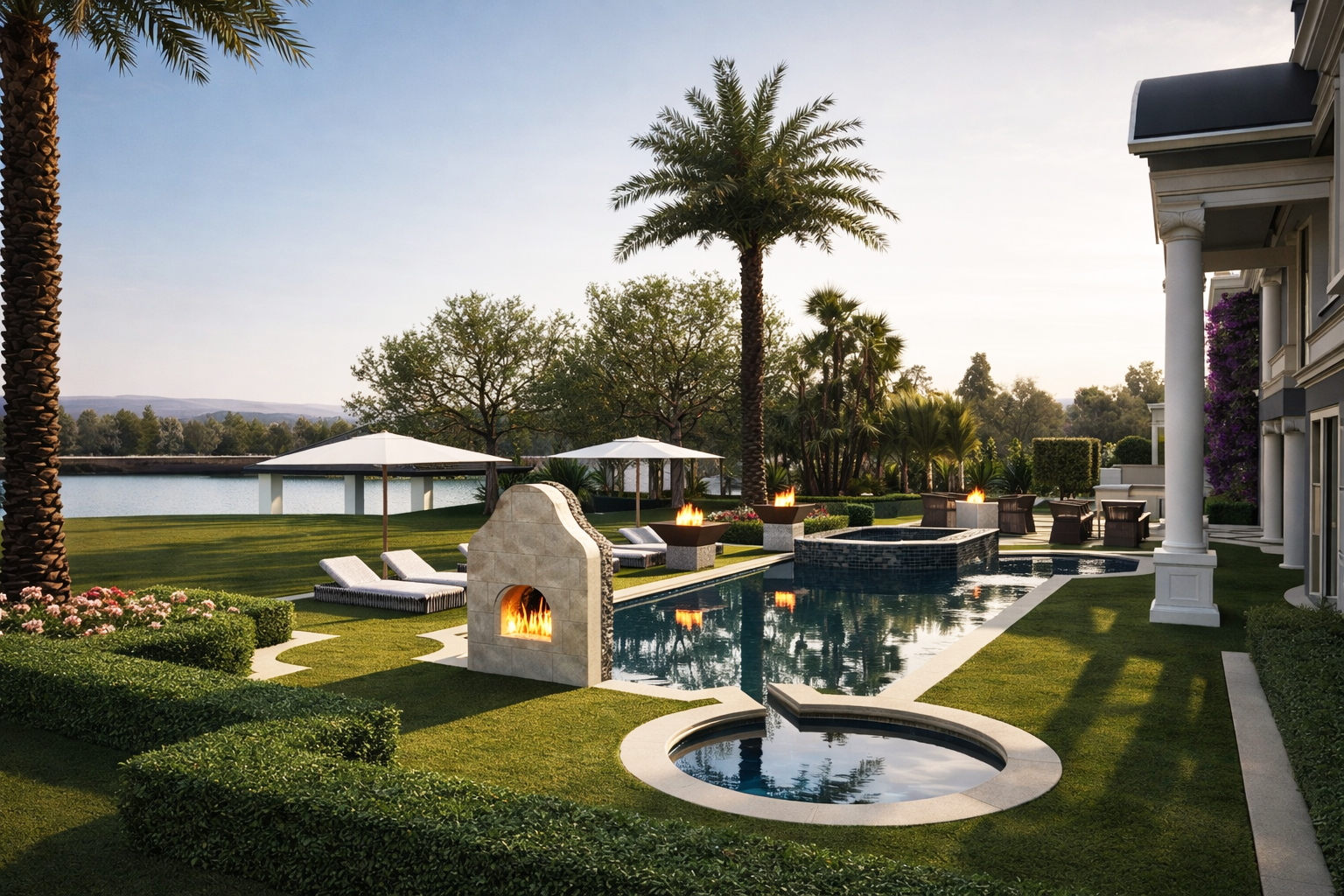
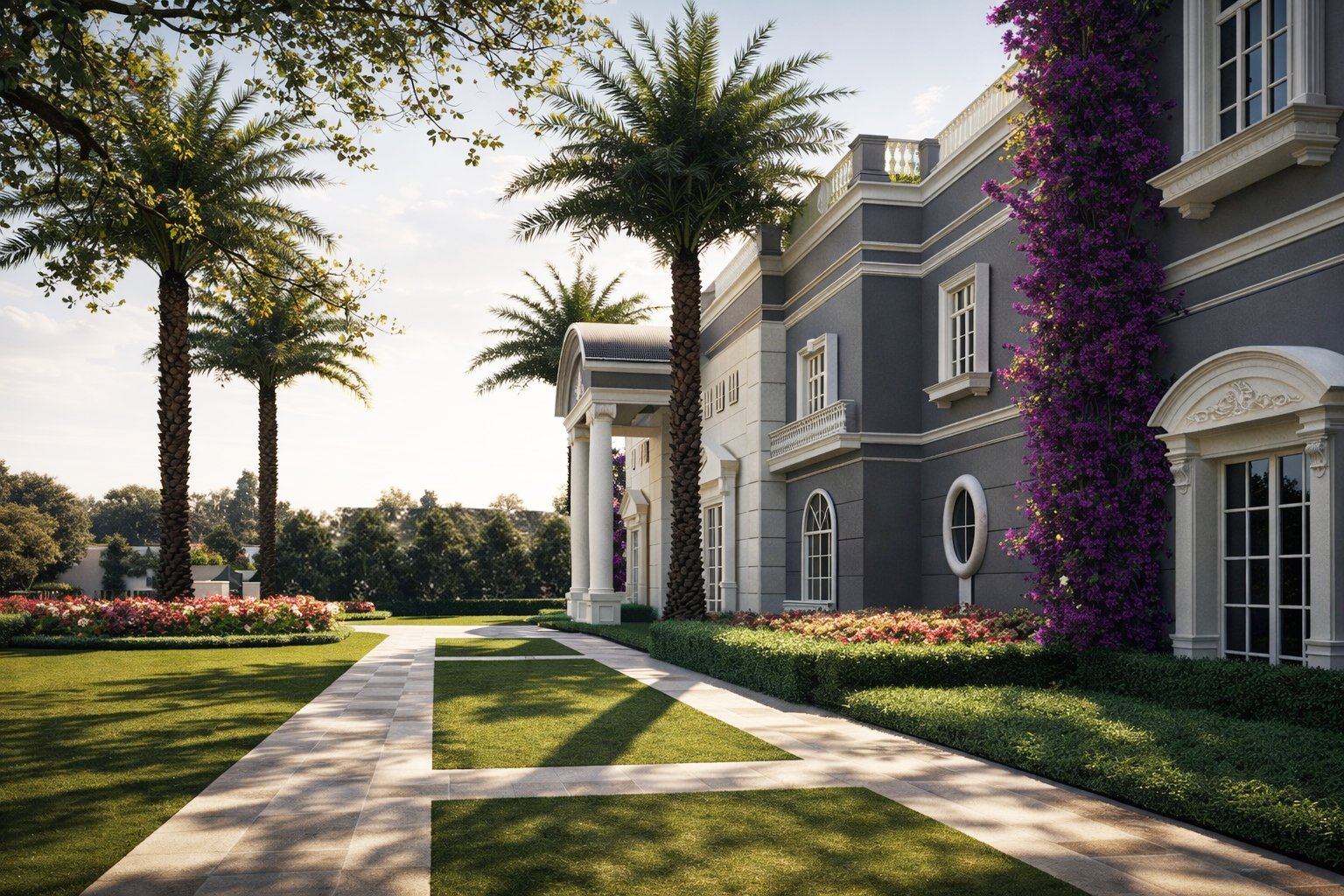
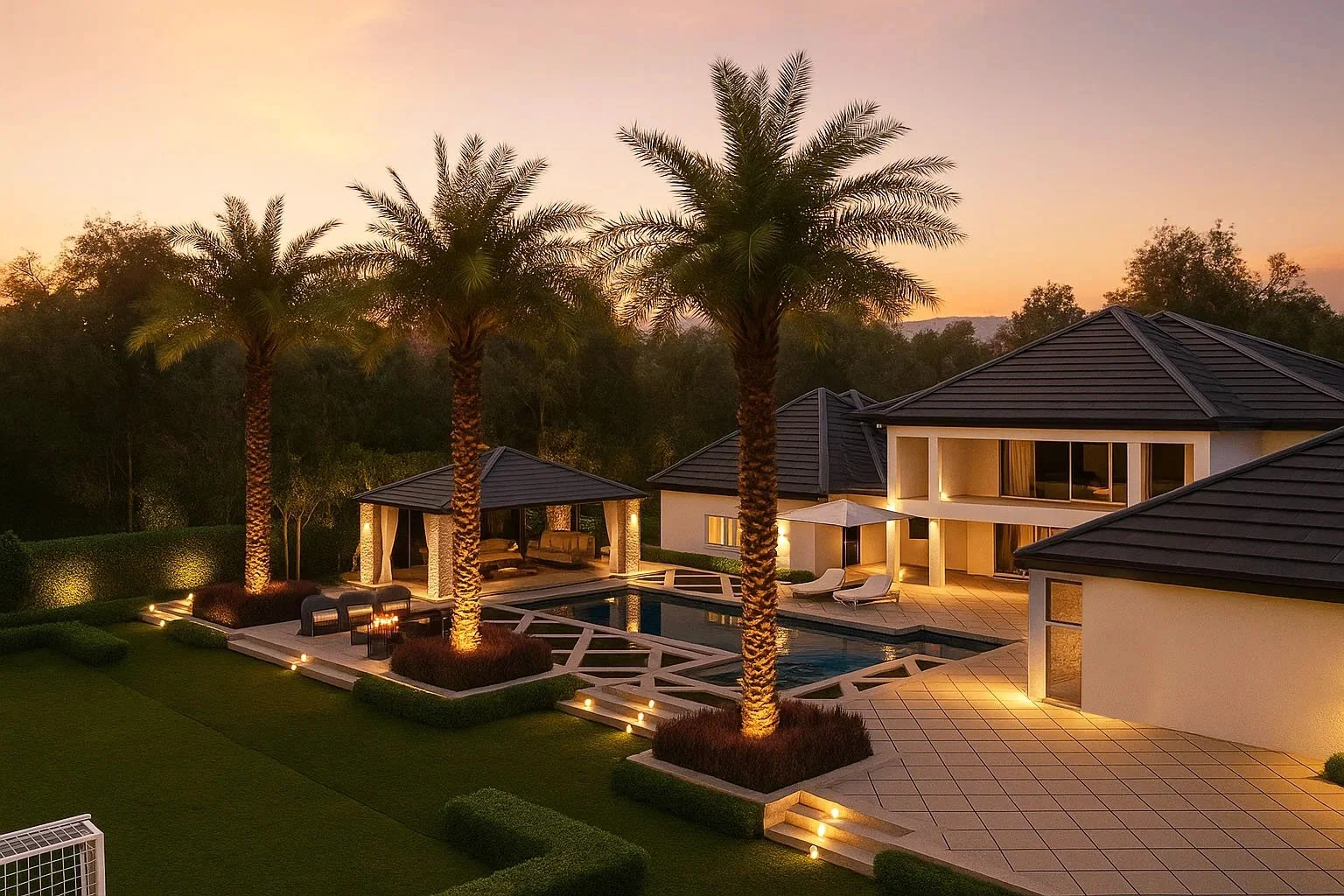
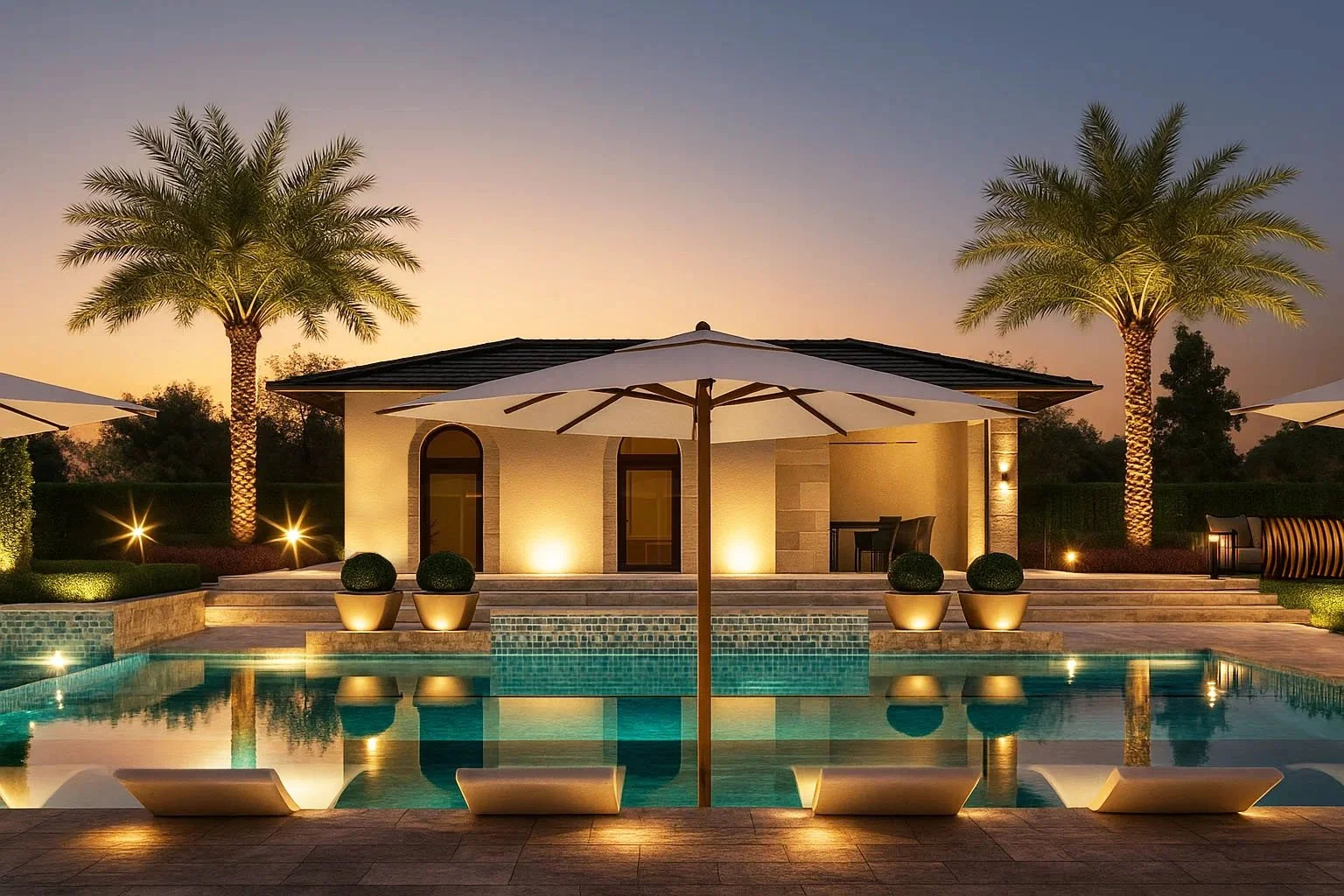
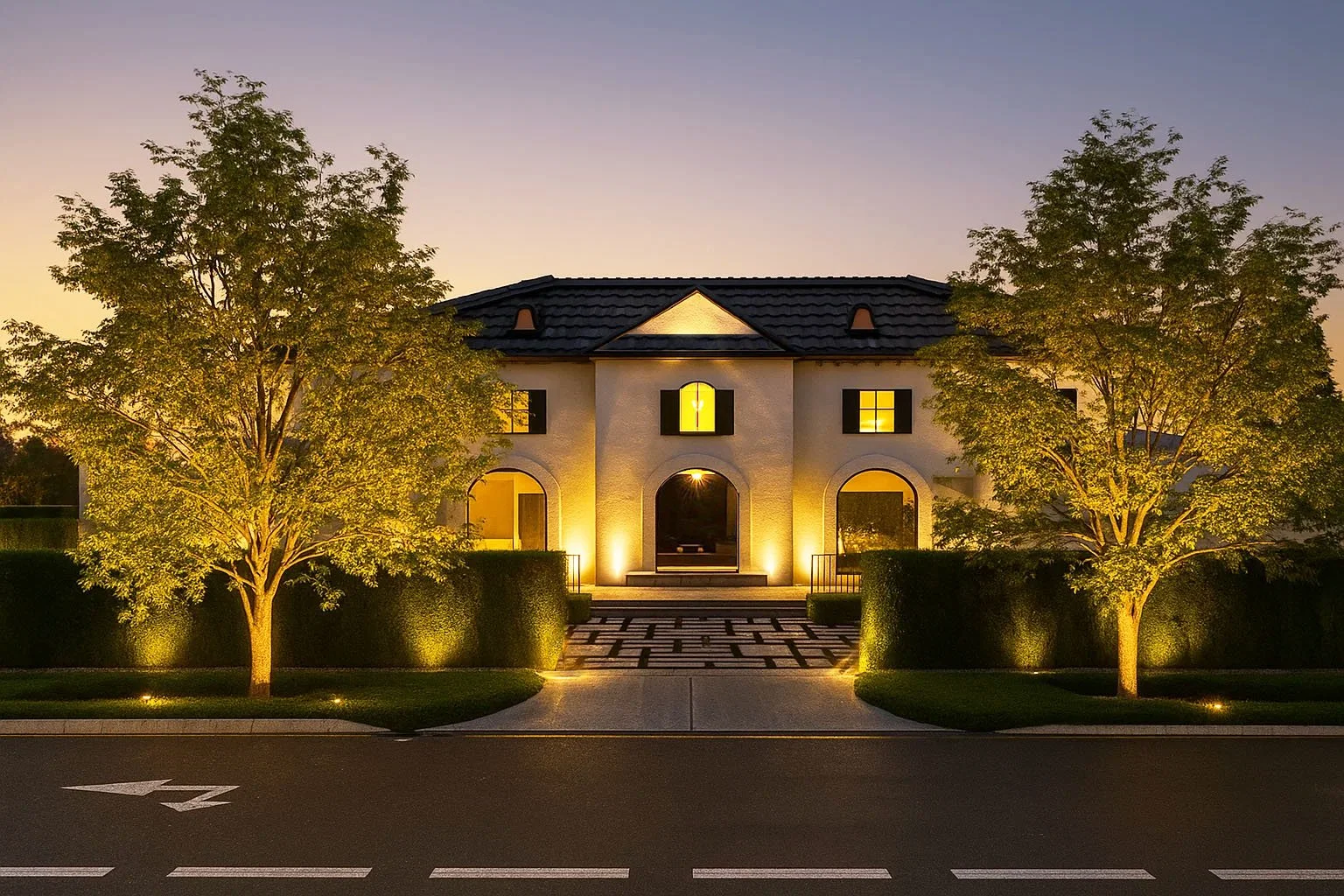
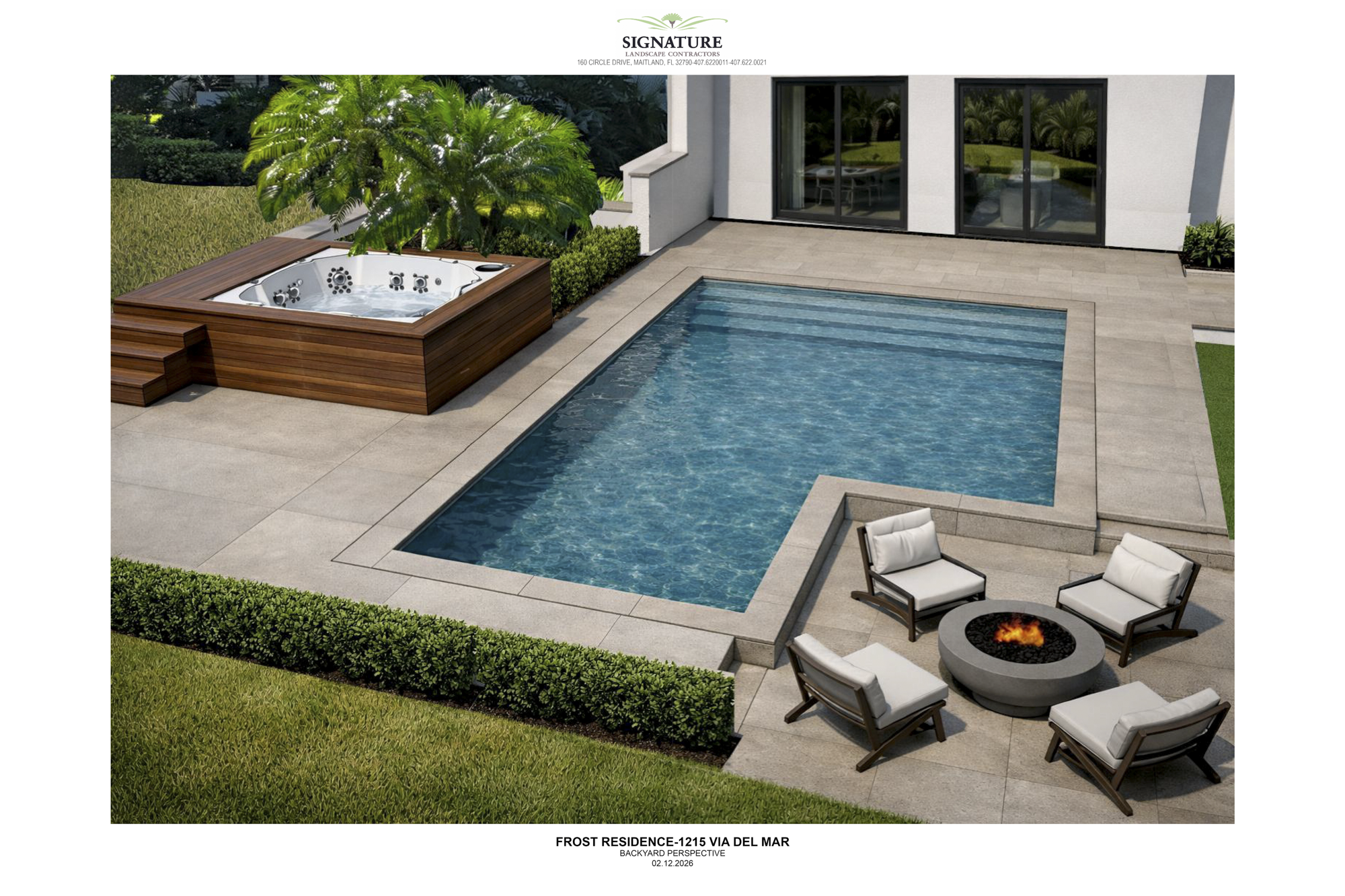
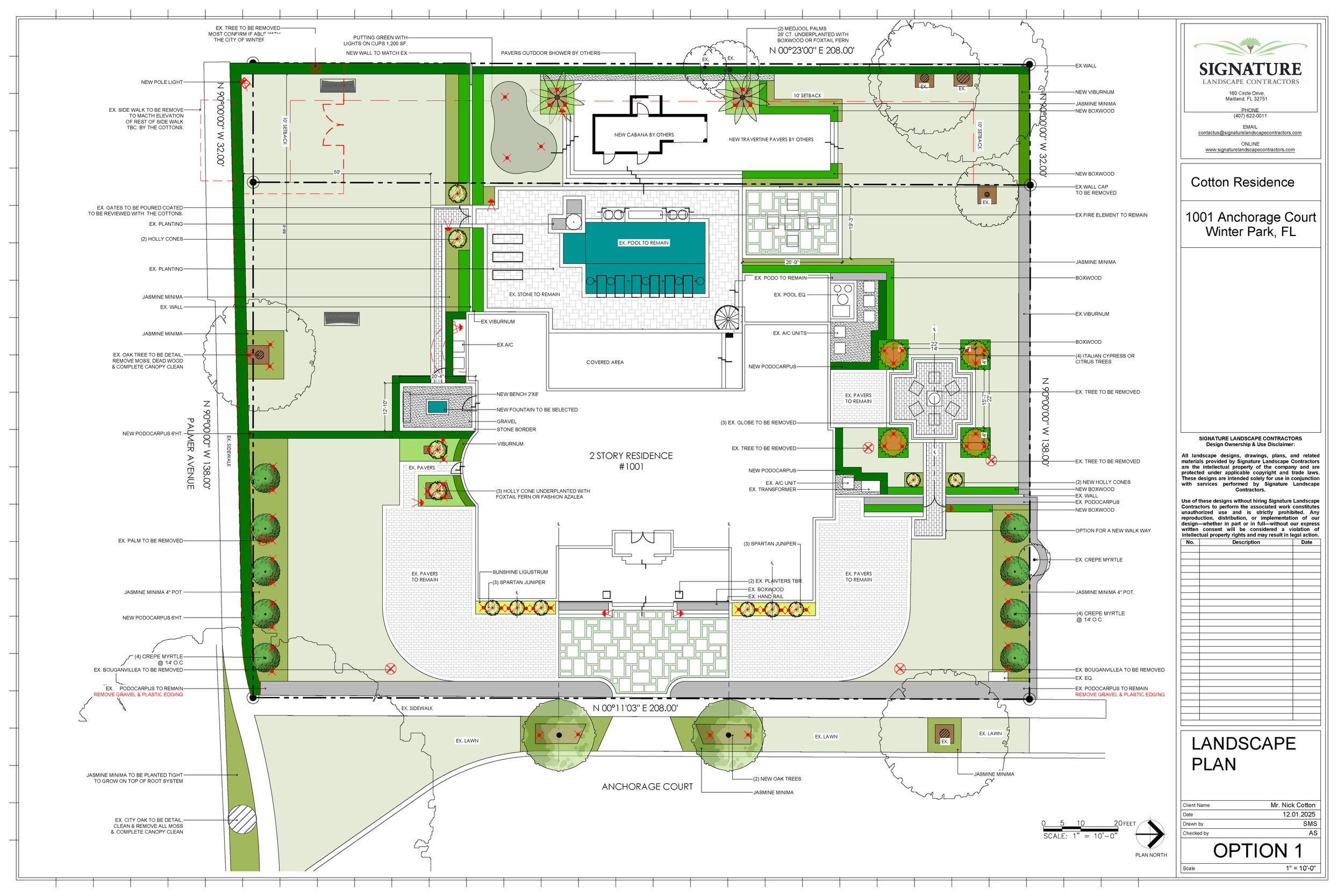
One project that strongly represents my approach involved the full transformation of a high-end residential property, where both the front and backyard were reimagined as a cohesive and elevated outdoor living environment. The design included a reconfigured driveway layout, formalized planting zones, integrated architectural elements, and a carefully layered lighting strategy.
What truly sets this project apart is the level of precision and intentionality behind the design. Strong geometry and symmetry were used to organize the space, while materials and plant palettes were selected to reinforce a refined, timeless aesthetic. Every element was designed to align with the architecture of the home, creating a seamless transition between indoor and outdoor spaces.
The result is a composition that feels structured yet inviting balancing visual impact with functionality and ultimately delivering a space that elevates both the property and the way it is experienced.
Are there specific materials, plant palettes, or design elements you consistently return to in your work? Why?
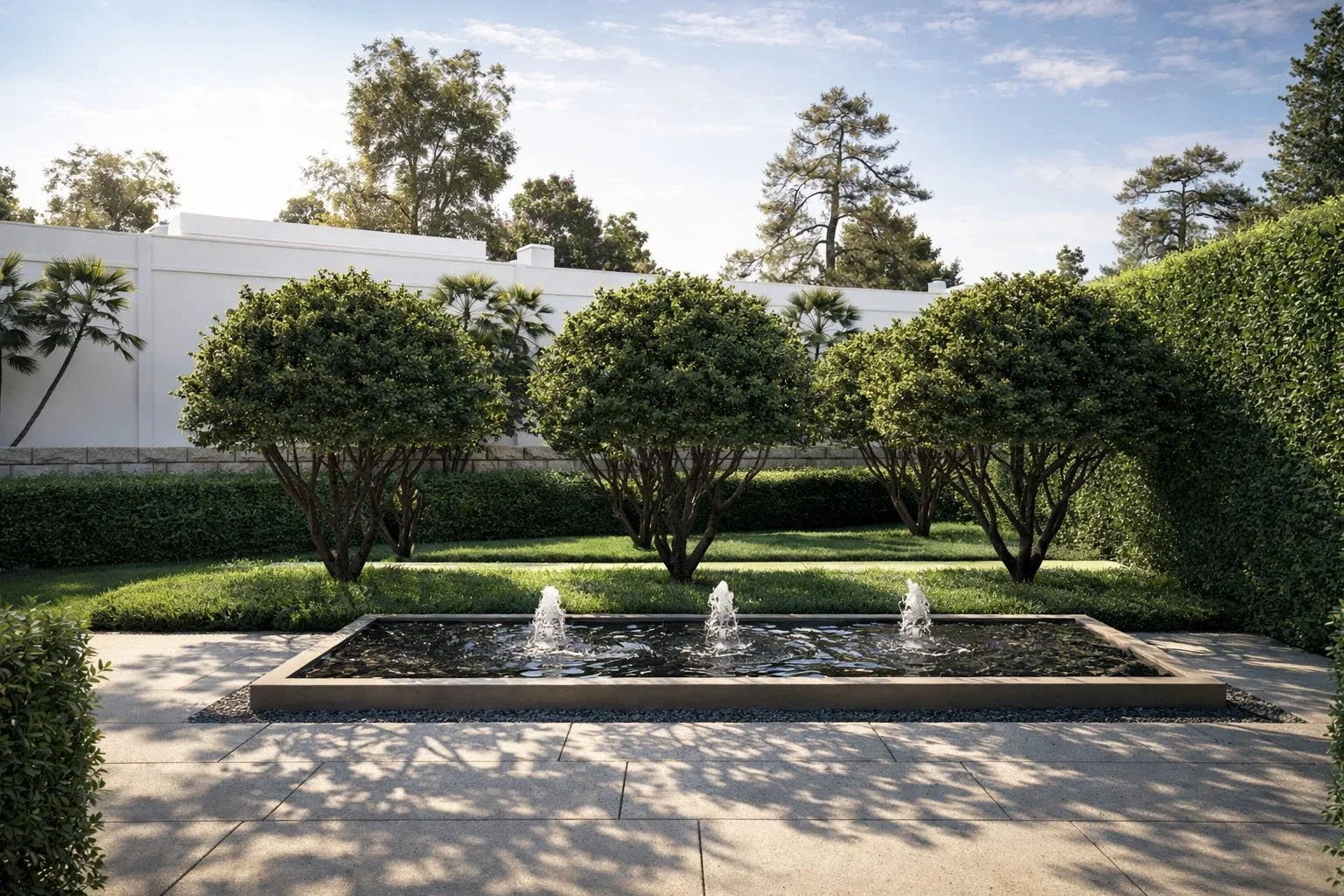
I tend to work with a refined and consistent palette that supports clean, structured compositions. On the material side, I often incorporate precast concrete, natural stone, and wood elements such as Ipe (also known as Brazilian Walnut) to create contrast while maintaining a timeless and cohesive look.
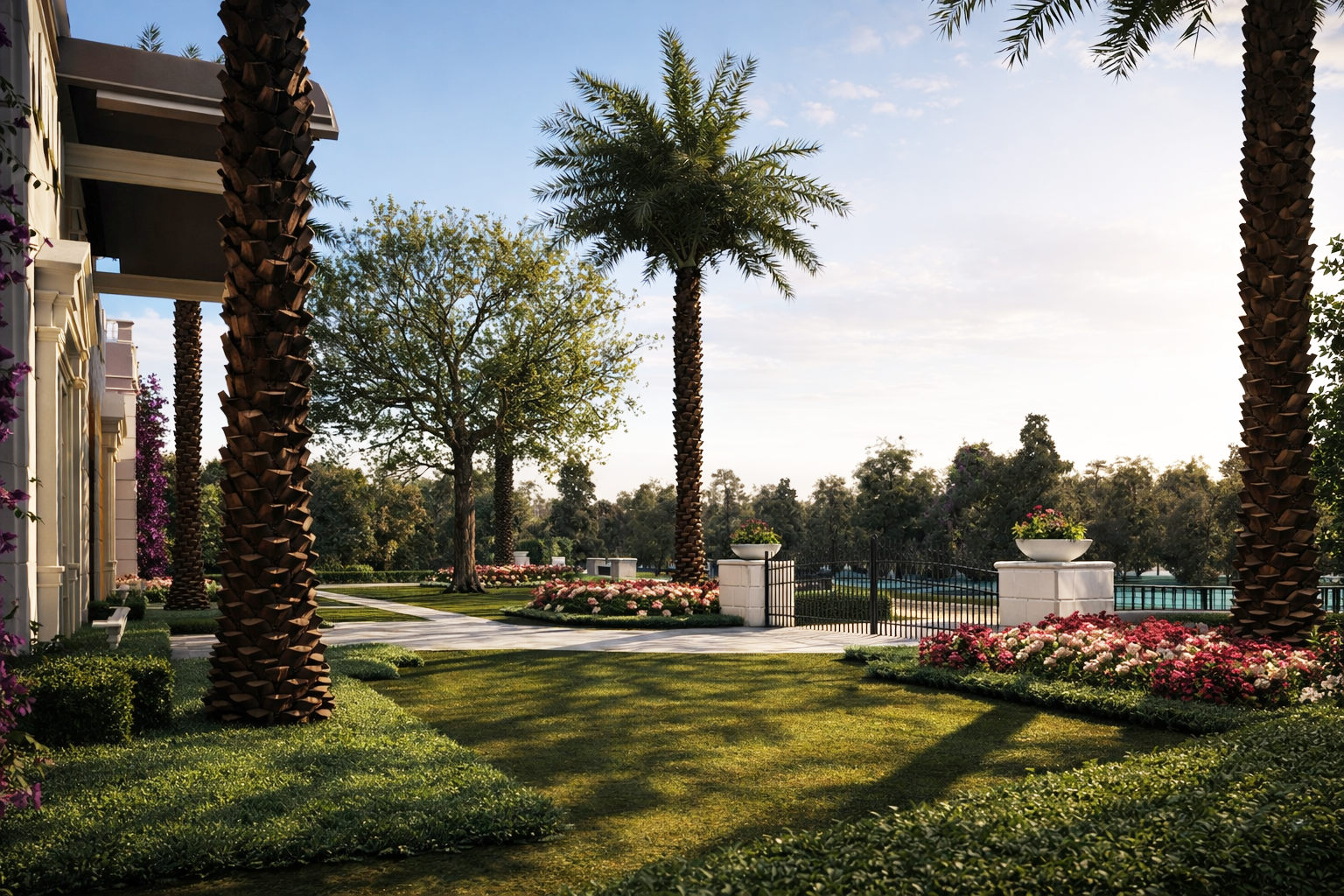
In terms of planting, I frequently use structured greenery like boxwood and podocarpus hedges to establish strong lines and organization within the space. I also incorporate softer elements such as jasmine or flowering accents to introduce movement and seasonal interest without overwhelming the design.
I return to these elements because they allow me to create balanced, elegant environments that feel intentional and easy to read, while also being durable and appropriate for the climate.
What shifts are you seeing in how outdoor spaces are designed or used today?
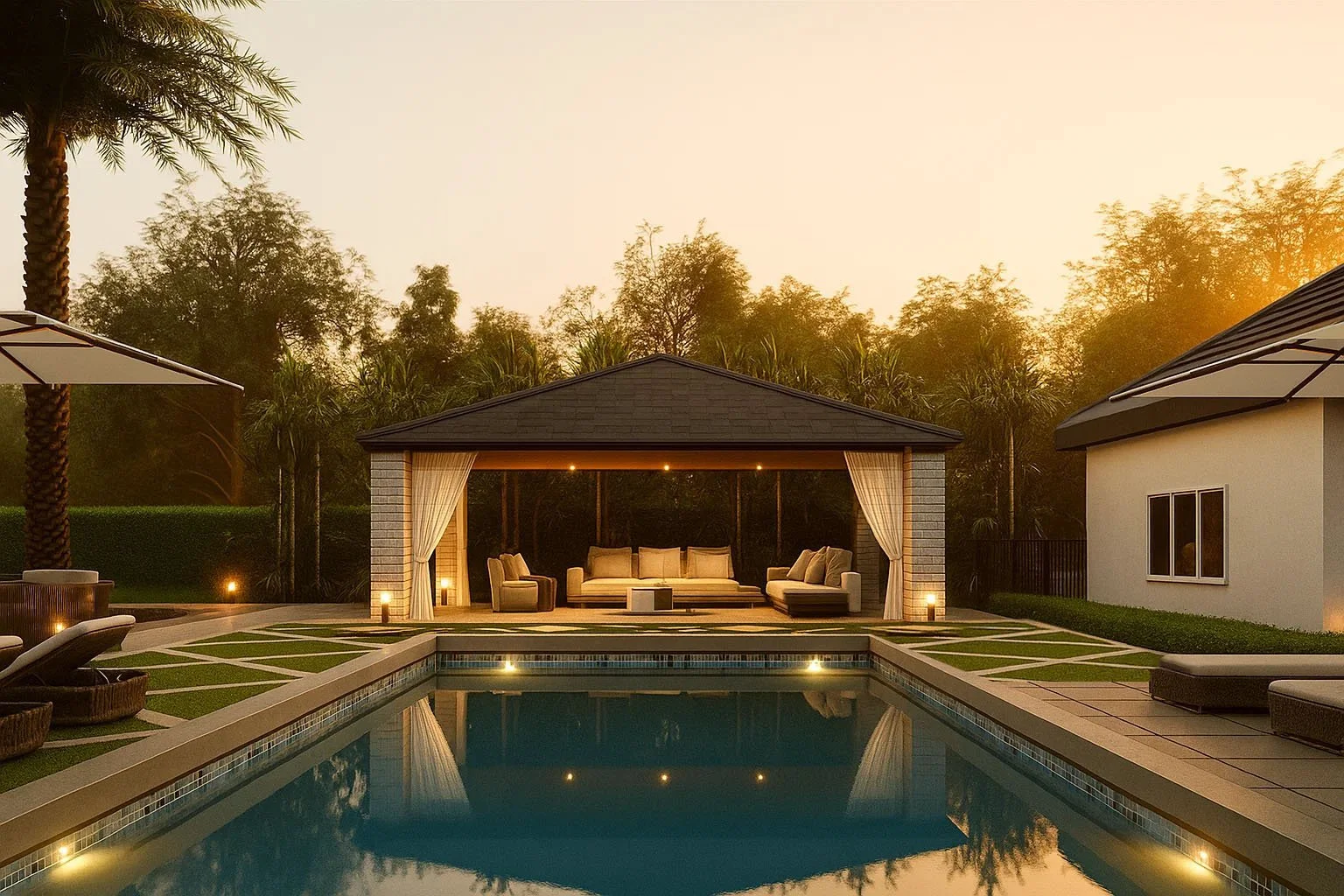
One of the biggest shifts I’m seeing is the move toward fully integrated outdoor living spaces that function as an extension of the home. Clients are no longer looking for just landscaping they want complete environments that include entertainment areas, kitchens, lounge spaces, and a strong connection to the architecture.
There is also a growing preference for clean, low-maintenance designs with a more refined and modern aesthetic. Structured planting, simplified palettes, and durable materials are becoming increasingly important, especially in residential projects.
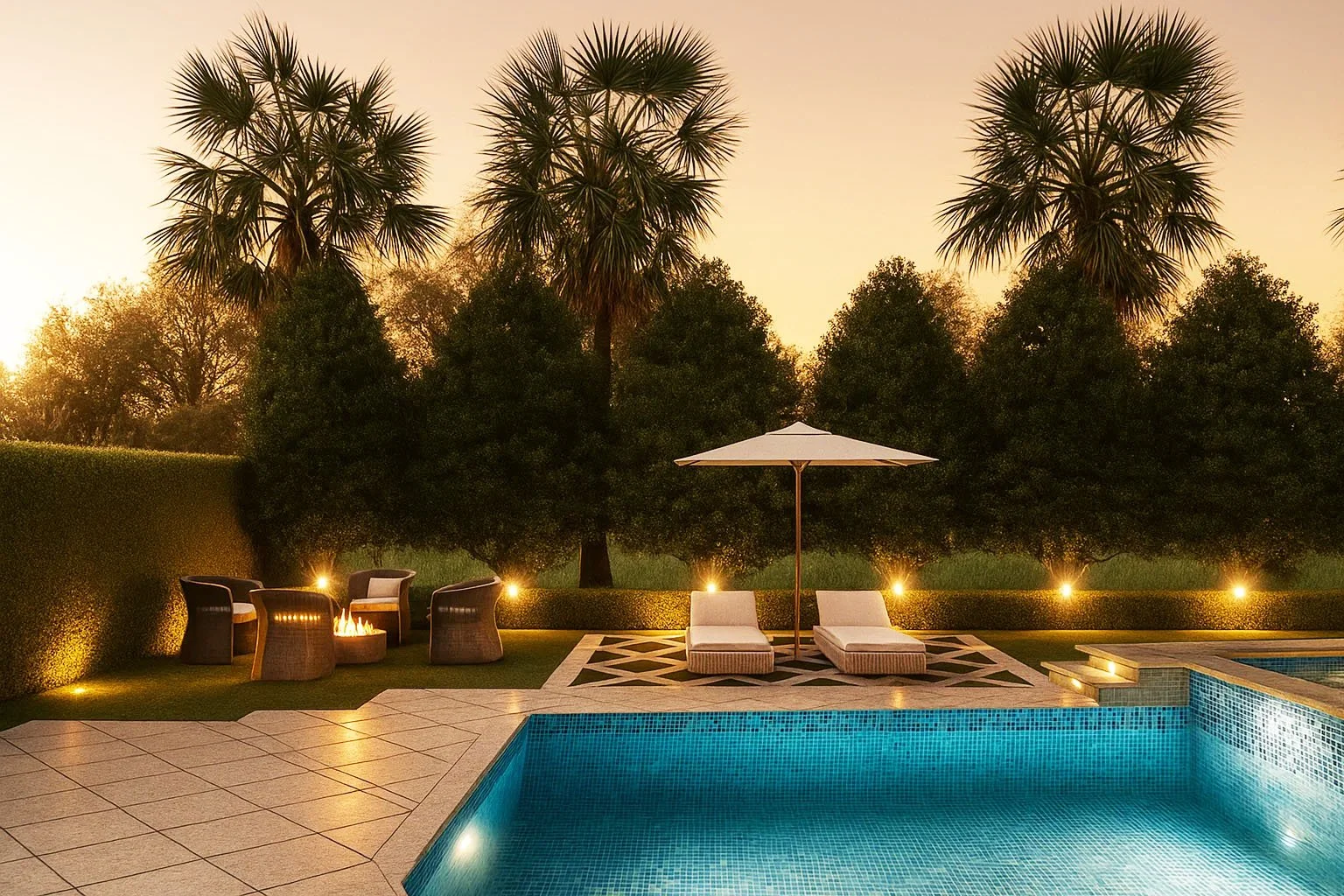
At the same time, clients are placing more value on usability and comfort spaces that not only look elevated but are designed to be used daily, both for relaxation and social gatherings.
What experiences, people, or projects have had the greatest influence on your perspective as a designer?
My perspective as a designer has been shaped primarily through direct involvement in high-end residential projects, where the margin for error is minimal and every decision must be intentional. Working in these environments has reinforced the importance of precision, clarity, and discipline in design where aesthetics alone are not enough, and every element must serve a purpose.
I’ve also been influenced by strong architectural principles and the pursuit of clean, structured compositions. Rather than following trends, I focus on developing designs that feel grounded, cohesive, and enduring over time. Collaborating with clients who value quality and attention to detail has further pushed me to elevate my standards and approach each project with a higher level of responsibility and refinement.
Ultimately, these experiences have shaped a design mindset that prioritizes control, balance, and the ability to create spaces that are both visually compelling and fundamentally well-resolved.
What’s something about landscape architecture that you wish more clients or homeowners understood?
One thing I wish more clients understood is that landscape design is not just about selecting plants or materials—it’s about creating a complete, well-organized system where every element works together. A successful design requires planning, proportion, and a clear vision from the beginning, rather than making isolated decisions along the way.
I also think there is often an underestimation of how much structure and discipline go into creating spaces that feel simple and effortless. The most refined landscapes are the result of careful planning, coordination, and attention to detail.
When clients recognize this, the process becomes much more collaborative, and the final result is significantly stronger and more cohesive.
To see more projects and current designs, follow Signature on Instagram, Facebook, and LinkedIn.