
2026 World Landscape Architecture Month Spotlight - LML Estate Management
Distinguished Innovative Environments: Behind the Creative Vision of LML Estate Management
The seventh entry in our 2026 World Landscape Architecture Month series is LML Estate Management which serves the surrounding areas of both Indianapolis and Fort Wayne, Indiana. They are valued for their precision and workmanship in the design and implementation of their landscapes, along with their unwavering commitment to their clients.
We caught up with LML’s Fort Wayne Landscape Designer, Brent Wertz, and LML’s Indianapolis Landscape Designers, Tom Fettig and Nicholas Branigan, about their parts in bringing LML’s landscapes to life.
Read their full interviews below:

What first drew you to landscape architecture/design, and how has that motivation evolved over time?
I’ve always been drawn to drawing and creative work. Early on, I actually wanted to design golf courses, but once I got into the residential design field, I realized this was a career I could really dive into. It checked all the boxes for me: creativity, design, and the fact that no two projects are ever the same. I also enjoy the people side of it, meeting and working with a wide range of clients. Over time, what’s kept me motivated is seeing a design go from an idea on paper to something built and lived in. It’s pretty rewarding to watch that come to life.
How would you define your approach to landscape design today?
My approach to landscape design has evolved significantly over the course of my career. Early on, I leaned more toward a “my way” mindset, but over time that’s shifted into a much more collaborative and client-focused approach. I’ve learned the value of listening, both to clients and to others in the industry with more experience, and using that input to shape stronger, more thoughtful designs. Today, I draw heavily from past projects while staying open to new ideas, with the goal of creating spaces that reflect the client’s vision rather than my own preferences.
Is there a project that best represents your work or approach? What makes it stand out?
One project that really represents my approach is a lakefront property we’re currently working on. What makes it stand out is that it started as essentially a blank canvas, which gave us the opportunity to be very intentional with how the space is experienced. A big focus has been on preserving and framing key views of the lake while also creating new perspectives through a series of steps, terraces, and seating areas.
It’s been a fun and rewarding project because it balances creativity with functionality. I love designing spaces that not only look great but also give the client multiple ways to enjoy the property. At the end of the day, it reflects my approach of listening to what the client wants and shaping the design to deliver that vision in a thoughtful, cohesive way.
Are there specific materials, plant palettes, or design elements you consistently return to in your work? Why?
I would say my plant palette is always evolving, but I do find myself consistently returning to plants I’ve had proven success with over time. While I’m always open to introducing new varieties, there’s a natural tendency to rely on what I know will perform well and deliver for the client.
When considering stepping outside of that comfort zone, there are a number of variables that factor into the decision. It’s almost like running an internal equation; balancing risk versus reliability. Some of those key considerations include the client’s willingness to maintain the landscape, the desired level of color and vibrancy, mature size and how it may impact views over time, and overall cost.
Those factors play a role in nearly every plant selection, but ultimately, I prioritize plants that I know will thrive in the environment and meet the client’s expectations. That often leads me back to a core group of dependable, low-maintenance options that consistently perform and provide long-term value.
What shifts are you seeing in how outdoor spaces are designed or used today?
One of the biggest shifts I’m seeing right now is a divergence in design preferences—two styles that almost sit on opposite ends of the spectrum, yet are both gaining popularity.
On one side, there’s a strong move toward more contemporary, clean-line landscapes. These designs focus on simplicity, structure, and intentional use of materials—often incorporating geometric layouts, minimal plant palettes, and a refined, architectural feel.
On the other hand, I’m seeing an increased demand for more naturalistic landscapes, particularly with the use of boulders in varying sizes to create a more organic, site-driven aesthetic. These spaces aim to feel less designed and more “found”. Almost as if the landscape existed long before the home, and the house was carefully placed within it. There’s an emphasis on blending into the environment, using grade changes, native materials, and layered plantings to create something that feels authentic and timeless.
What’s interesting is that while these approaches are very different visually, they’re both driven by the same underlying goal: creating outdoor spaces that feel purposeful and personal to the client. Whether it’s a clean, modern patio or a naturalistic boulder-scape, clients are looking for spaces that offer a distinct experience and connection to their environment.
What experiences, people, or projects have had the greatest influence on your perspective as a designer?
I won’t get into specific names, but there have been so many people and projects that have shaped my career that it would be a disservice to try and narrow it down in a limited space.
I’ve been fortunate to experience both ends of the spectrum—projects that came together exactly as envisioned, and others that required multiple change orders and constant problem-solving to reach the right outcome. Both have been equally valuable. The successes reinforce what works, while the more challenging projects tend to leave a lasting impact and push you to grow as a designer.
The same goes for the people I’ve met throughout this industry. Along the way, you pick up and retain those ancillary nuggets of knowledge—whether it’s a technical detail, a design approach, or a different way of thinking about a problem. Over time, those experiences compound and begin to shape your perspective in a meaningful way.
Ultimately, it’s that accumulation of real-world lessons, from both projects and people, that has had the greatest influence on how I approach design today.
What’s something about landscape architecture that you wish more clients or homeowners understood?
One thing I wish more clients understood is how much thought, coordination, and effort happens behind the scenes to bring even the simplest projects to life.
From the office side—design, estimating, scheduling, planning, and billing, between the crews in the field, the plant growers, and the various vendors involved, leads to a lot of moving parts and people contributing to the final result. Every decision, material, and plant has typically gone through multiple layers of consideration before it ever makes it to the job site.
While some clients recognize this, I think many understandably view the process as more streamlined than it actually is. In reality, what appears to be a straight path from concept to installation often involves a number of adjustments, problem-solving moments, and behind-the-scenes coordination before the crews even arrive ready to begin work.
Ultimately, that effort is what ensures the project comes together smoothly and meets expectations, but a lot of that work is intentionally invisible.

What first drew you to landscape architecture/design, and how has that motivation evolved over time?
I initially went to school to become an architect, but after the first year of architecture school I was drawn to the field of landscape architecture. I enjoy the problem solving challenges that come with designing at a larger scale. Also, I find the evolution of landscapes through the seasons, and over time, far more interesting than static structures. The natural cycles of the environment and how they interact with the built world continues to inspire and push me to create spaces that connect people to nature.
How would you define your approach to landscape design today?
My design approach has always been the same: listen to the client and listen to the site. Both of these will tell me what they want. My job is to mesh those things together into something that is beautiful and functional.
Is there a project that best represents your work or approach? What makes it stand out?
My favorite project that I designed utilized a lot of custom Corten steel elements, including a water feature, fire features, planters, and lit wall. The client was enthusiastic and supportive of the vision. Seldom does a designer get the opportunity to work on a project without limits.
Are there specific materials, plant palettes, or design elements you consistently return to in your work? Why?
I prefer to use natural stone for any hardscape in lieu of concrete pavers, prefab wall blocks, etc. You cannot replicate nature no matter how hard you try.
The hydrangea, allium, and boxwood combination is timeless and popular with a lot of our clients.
What shifts are you seeing in how outdoor spaces are designed or used today?
I feel like more and more people are gardening. We see more and more requests for raised garden beds to be incorporated into their landscape.
What experiences, people, or projects have had the greatest influence on your perspective as a designer?
After college I worked several jobs getting my hands dirty doing landscape maintenance and installation. This real-world experience gave me a perspective on how landscape construction and maintenance are conducted, which better informs me as a designer to deliver practical solutions to our clients.
What’s something about landscape architecture that you wish more clients or homeowners understood?
There is no such thing as no-maintenance plants. All plants require some care at some point.
The other thing is that this field requires knowledge of just about every trade in the construction industry.

What first drew you to landscape architecture/design, and how has that motivation evolved over time?
I was first drawn to it by the ability of design to change the way how people experience their spaces, and therefore their lives. This is their space to connect with the natural world, and for everybody that looks a little different, which makes it fun.
How would you define your approach to landscape design today?
My approach is balancing creativity with maintainability. Everyone wants a cottage garden until they realize how much work goes into it. It's our job to create something that delivers the maximum effect with minimal effort.
Is there a project that best represents your work or approach? What makes it stand out?
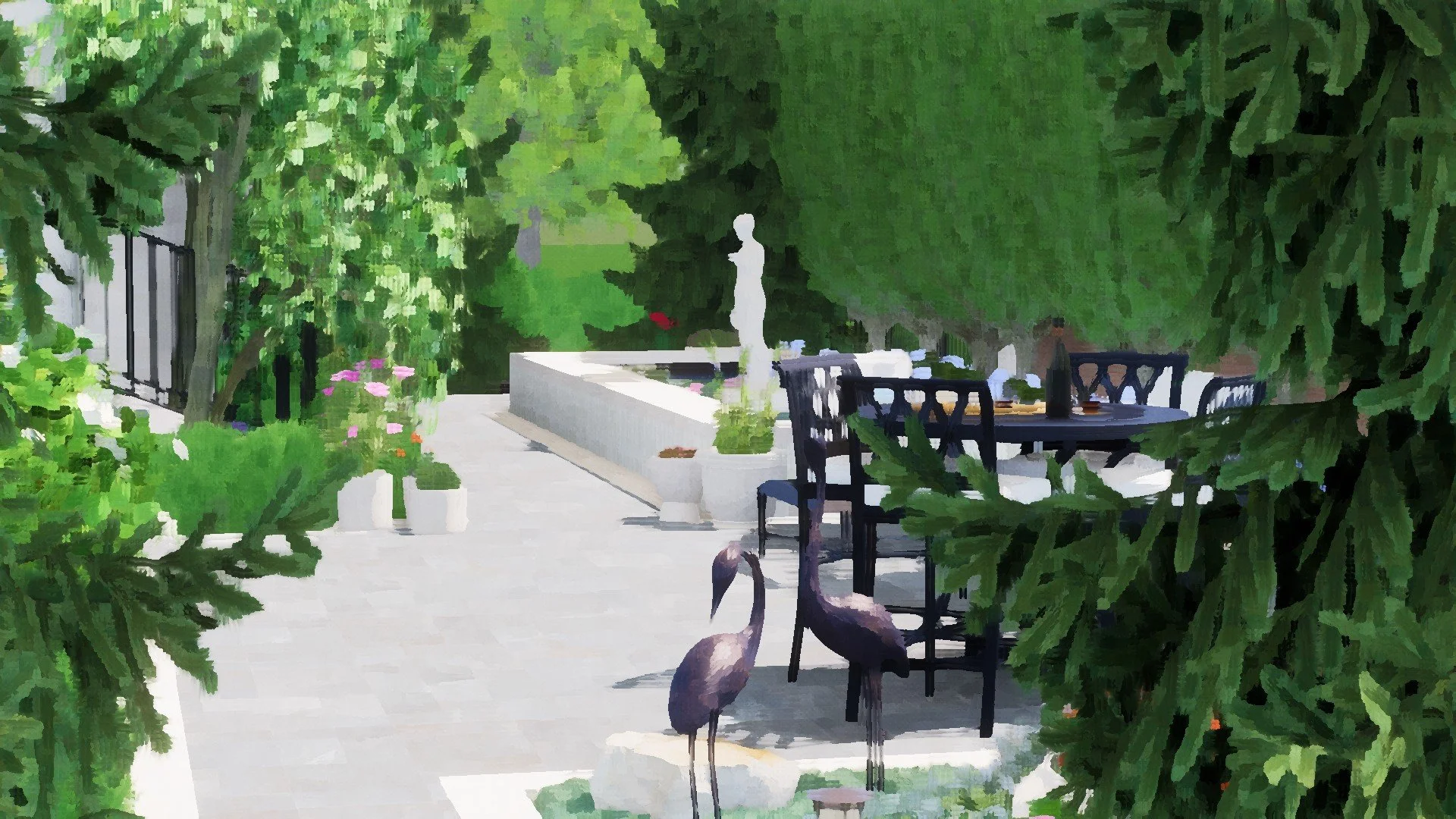
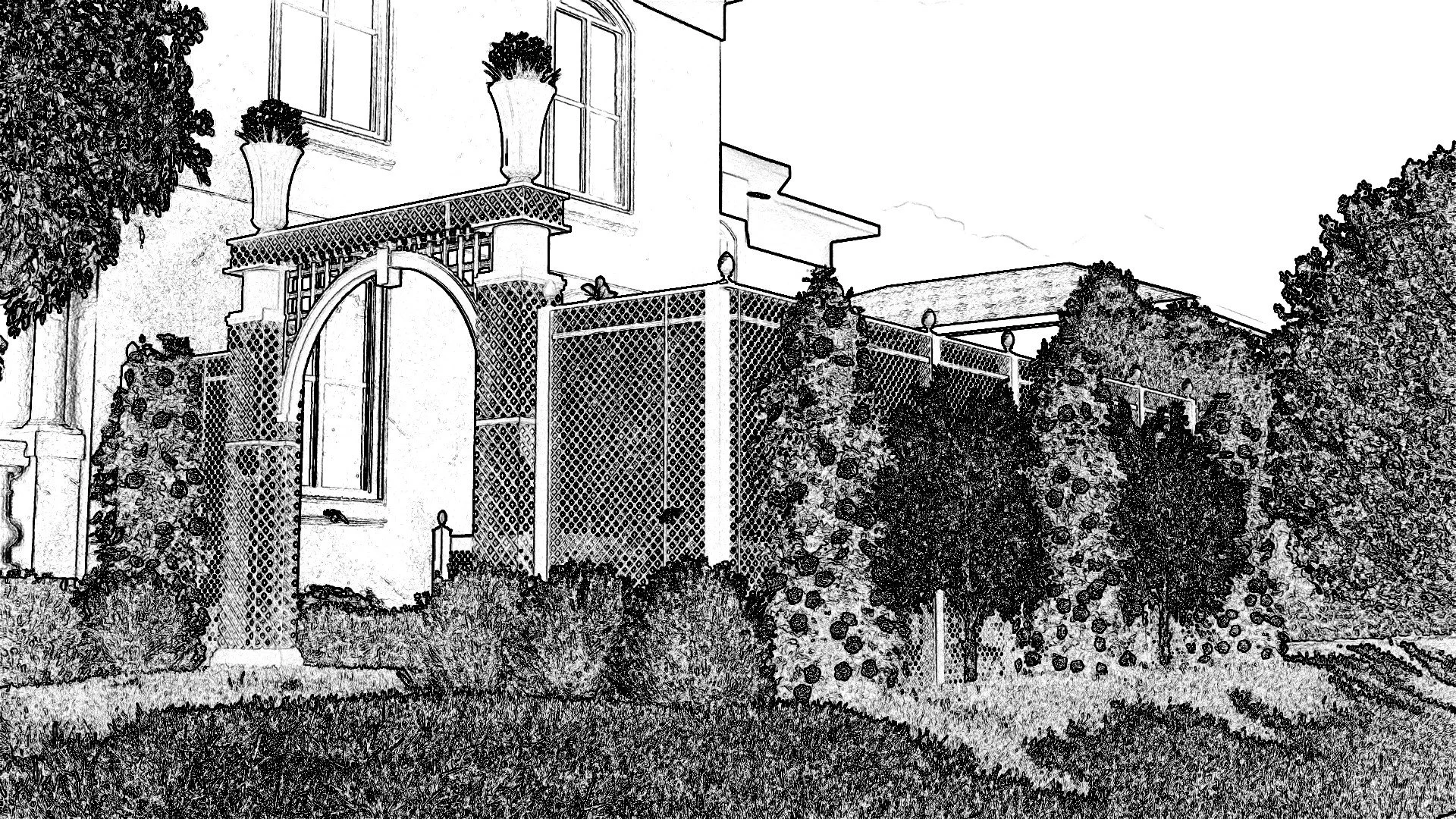
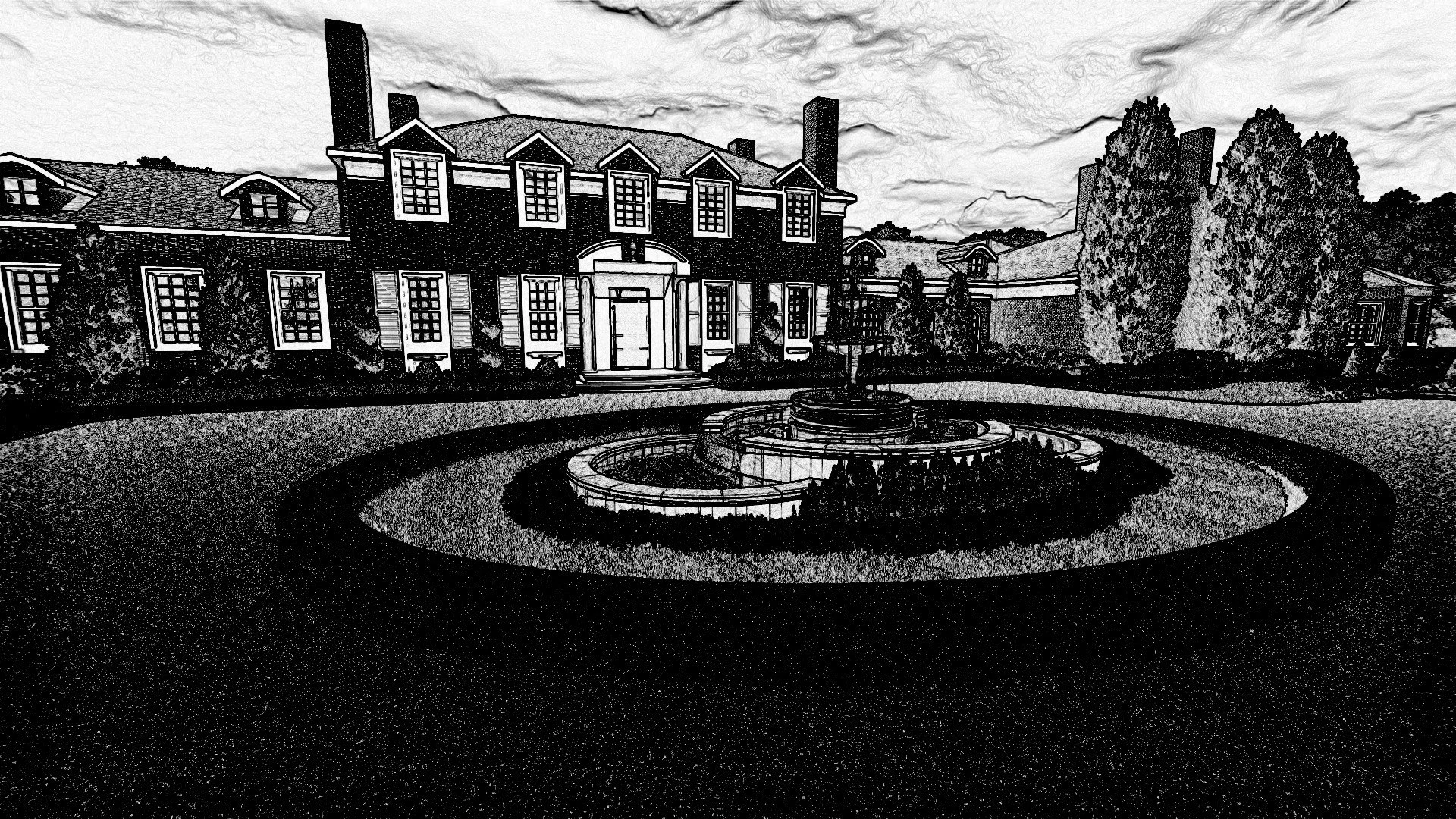
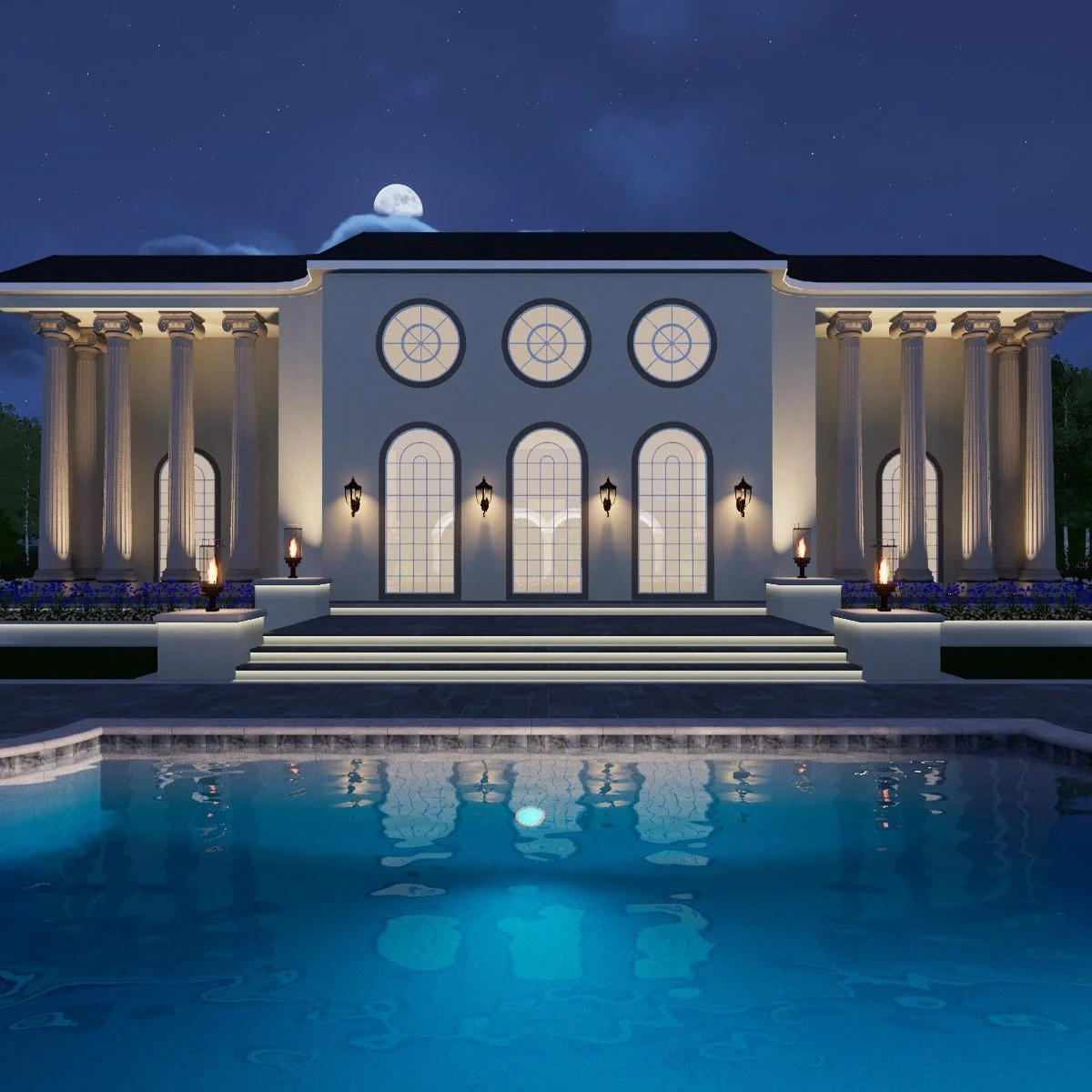
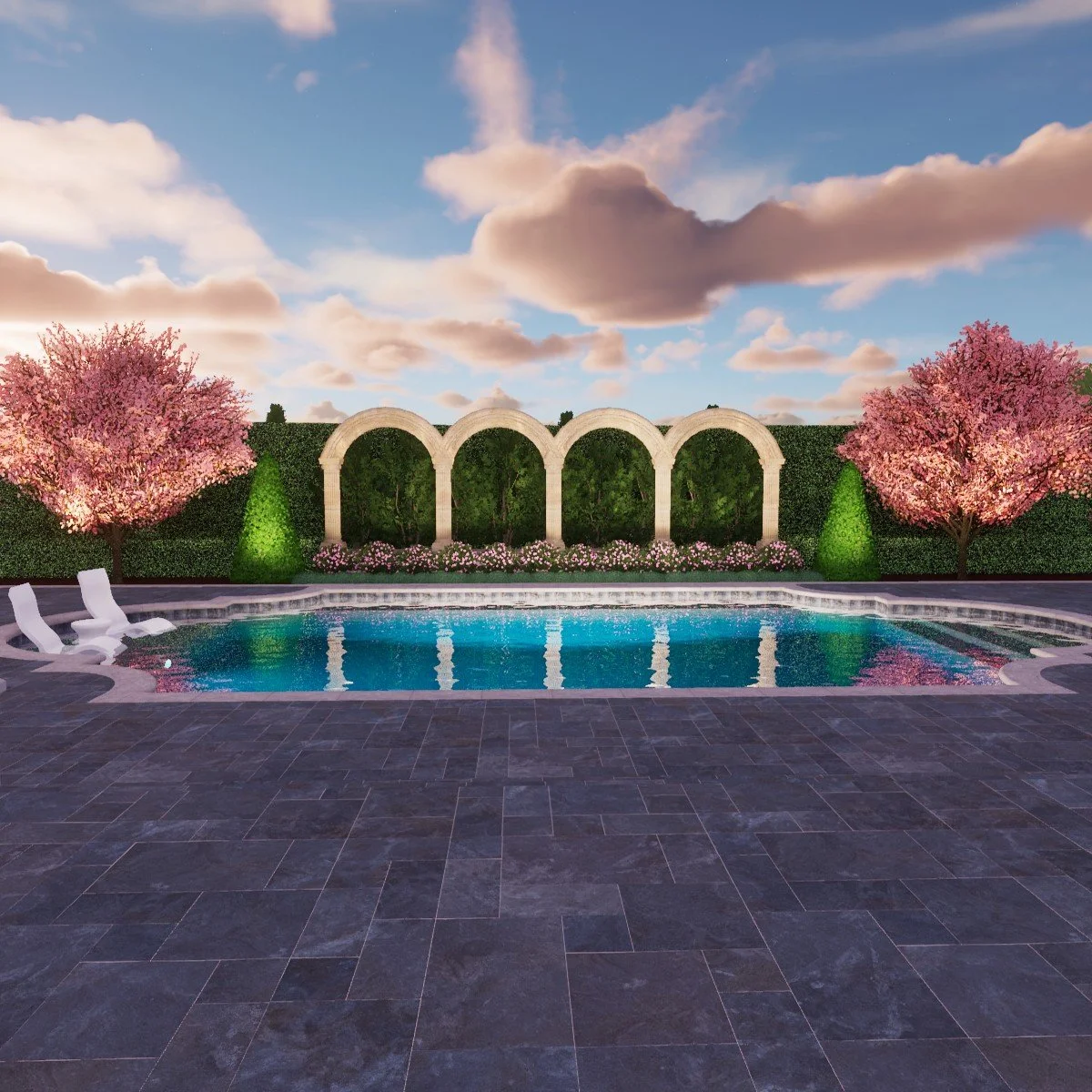
I designed a chateau and landscape on Florida’s Space Coast in my early career and since then I get brought back to add on to it every year. The house has changed hands and has endured many hurricanes, but as the needs change, so does the art. This past year I designed an attached 16 car garage for the estate to fit with the original architecture. I love this estate because it's always evolving, while the true concept endures. In my eyes that’s what any great project should do.
Are there specific materials, plant palettes, or design elements you consistently return to in your work? Why?
It depends on the zone. In the tropics, I like an off-white shellock paver, Cuban royal palms, colorful lantana, variegated liriope, and Miami Supreme gardenias. In the North, I prefer catmint, Annabelle hydrangea, dappled willow, and a bluestone terrace.
What shifts are you seeing in how outdoor spaces are designed or used today?
Cottagecore with a slight modern twist seems to be the preferred style—wild looking yet categorically organized.
What experiences, people, or projects have had the greatest influence on your perspective as a designer?
Every single one is a feather in my cap. It'd be harder to say what or who hasn't had an influence. However, my co-designer, Tom Fettig, is brilliant and I appreciate seeing his art the most. His use of dispersed planting array creates a dazzling effect that is quintessential to midwestern landscaping.
What’s something about landscape architecture that you wish more clients or homeowners understood?
What you like is completely up to you. It's just our job to find out what that is exactly and show you how that translates into a functional style and design.
To see more projects and current designs, follow LML Estate Management on Instagram, Facebook, and LinkedIn.