
2026 World Landscape Architecture Month Spotlight - Fine Landscapes
Timeless Modern Havens: An Inquiry Into Fine Landscapes
The second feature for our 2026 World Landscape Architecture Month series is Fine Landscapes, located in Sterling, Virginia. Fine is recognized in the Northern Virginia/DC Metro area for their horticultural experience and skilled execution of outdoor spaces ranging from classical to modern and contemporary design. Their portfolio includes thousands of landscapes for some of the areas most exclusive residents, with a client-centric approach that creates a highly customized landscaping experience.
We heard from the creative team behind these stunning spaces—Landscape Architect Oomer Syed, and Landscape Designers Charles McCall and Jeff Foresha—about their careers, where they draw inspiration from, and trends they’re seeing in the industry.
Read their full interviews below:

What first drew you to landscape architecture/design, and how has that motivation evolved over time?
I was initially drawn to landscape architecture by a simple desire: to help people and positively influence their lives. Along the way, I discovered that our profession designs and shapes EVERYTHING beyond the walls of buildings—every path taken, view framed, and moment experienced outdoors.
How would you define your approach to landscape design today?
Given a canvas that extends beyond architecture, I continue to refine my practice by integrating beauty, science, and functionality through a design approach that values restraint, purpose, and simplicity.
Is there a project that best represents your work or approach? What makes it stand out?
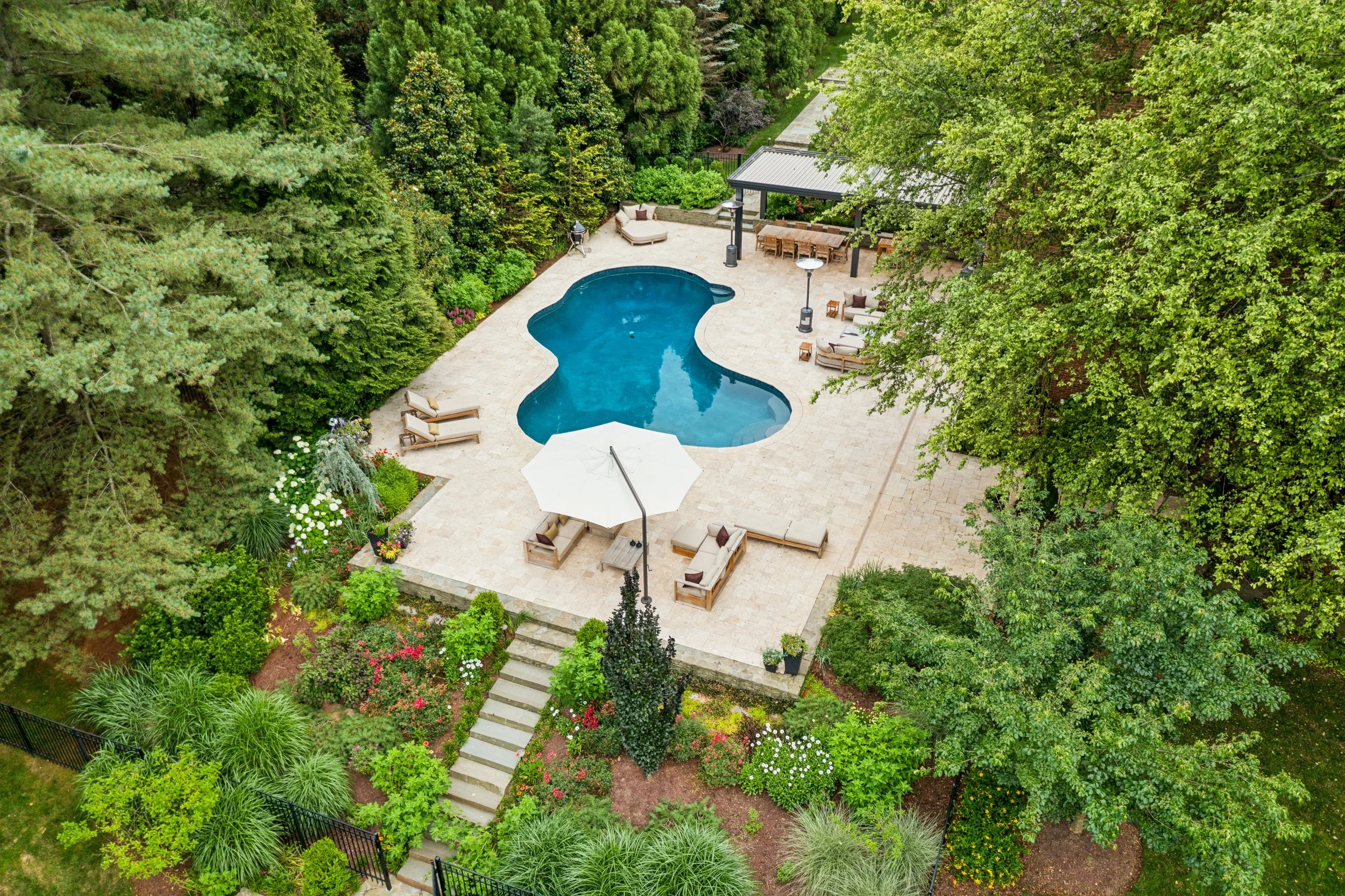
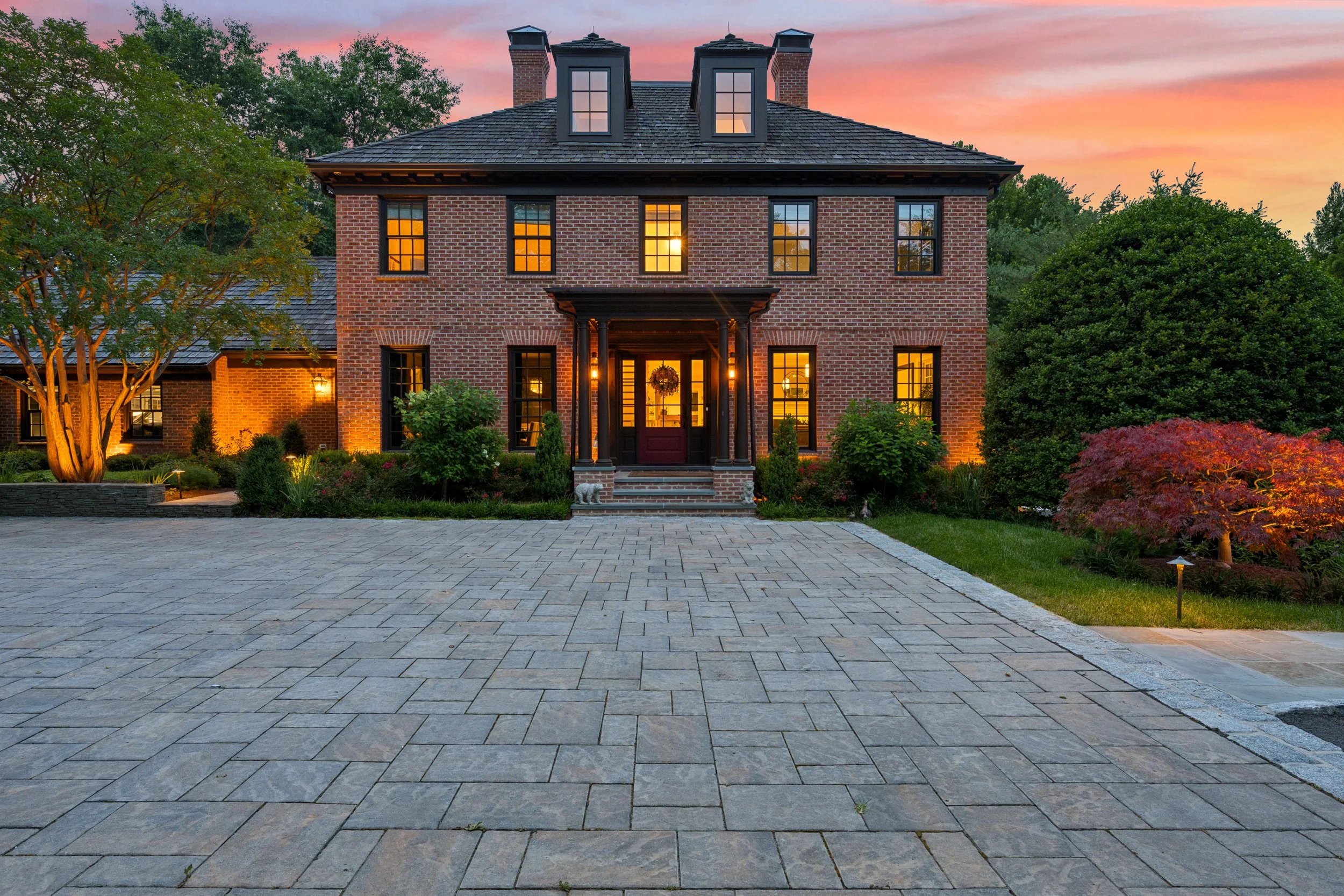
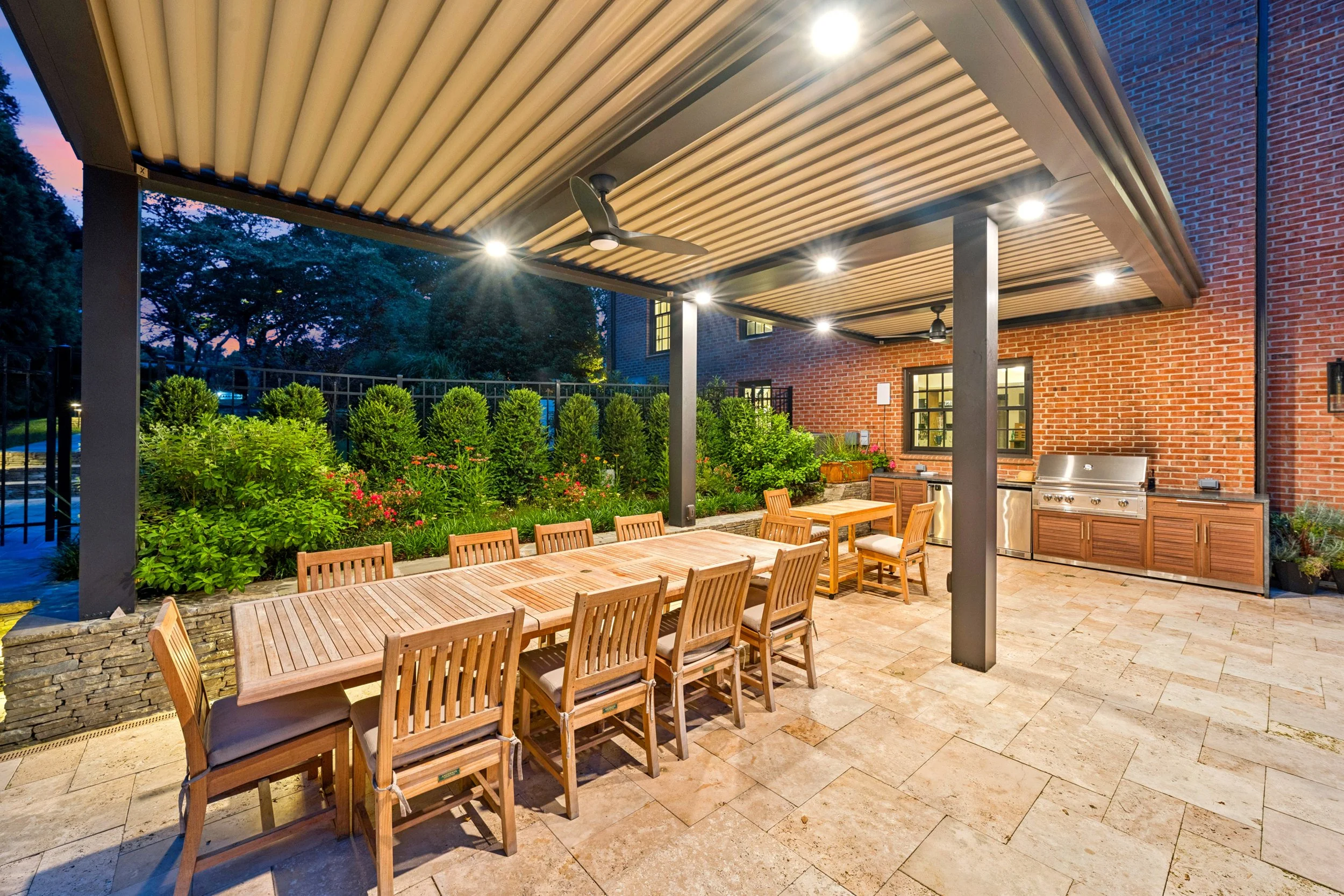
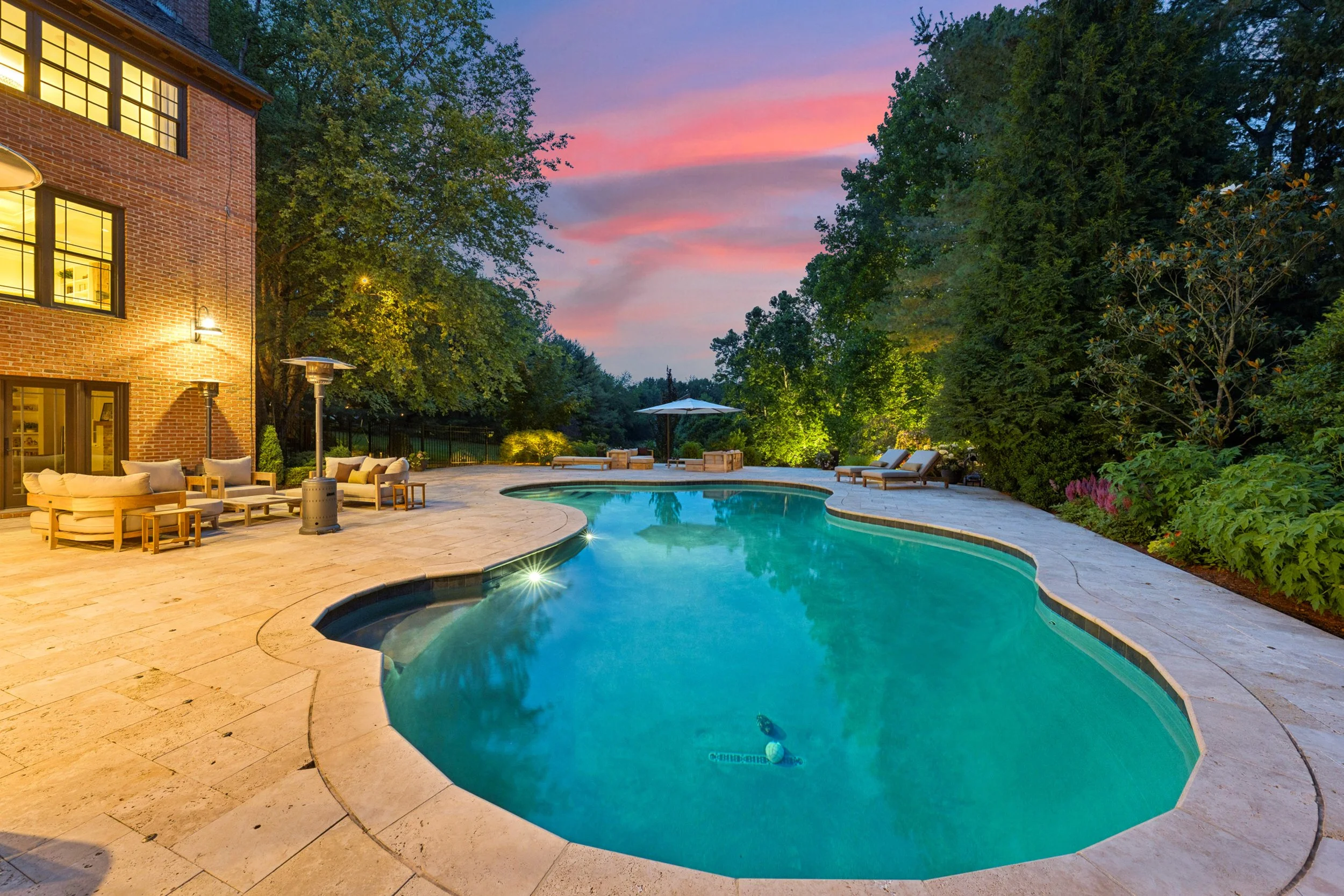
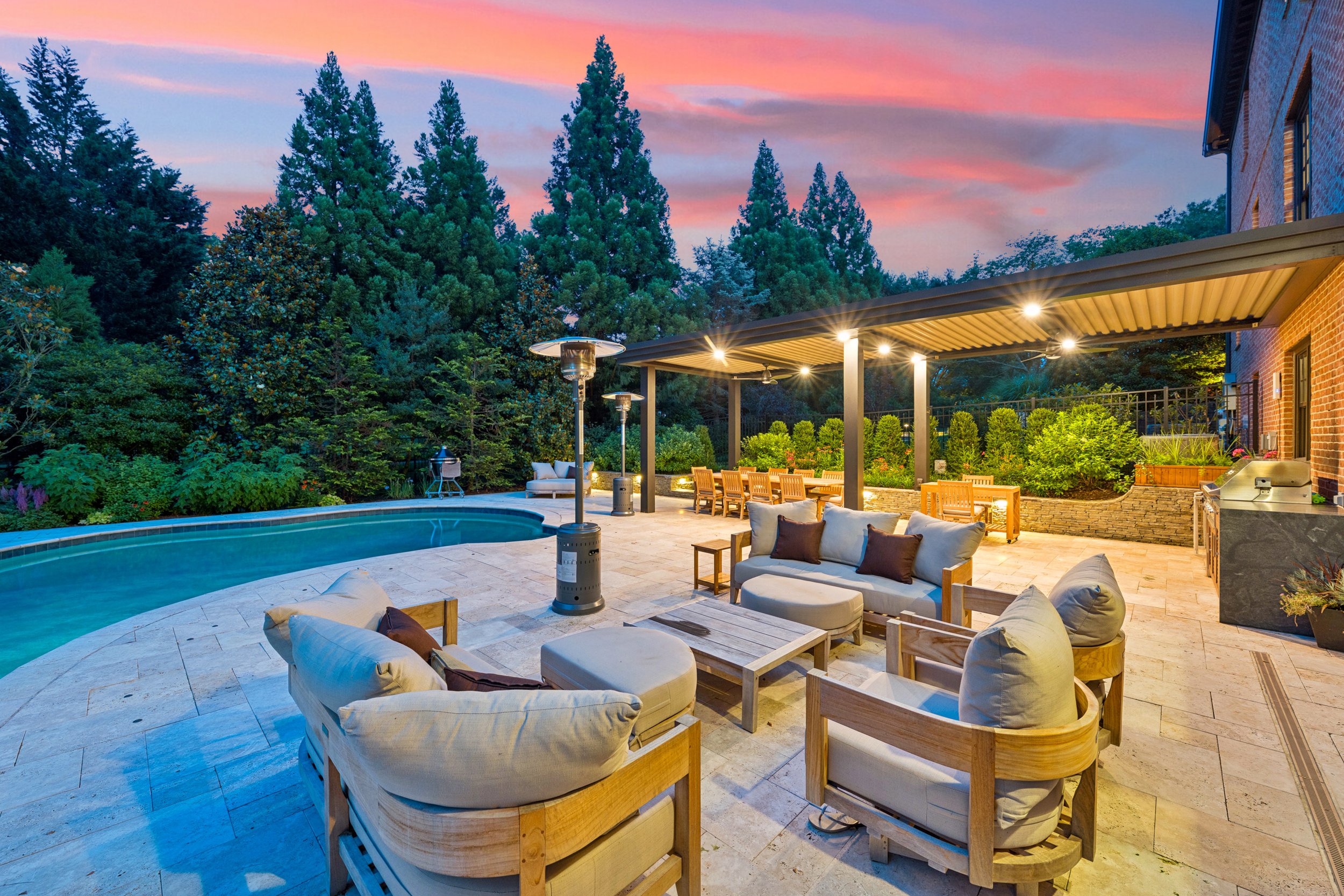
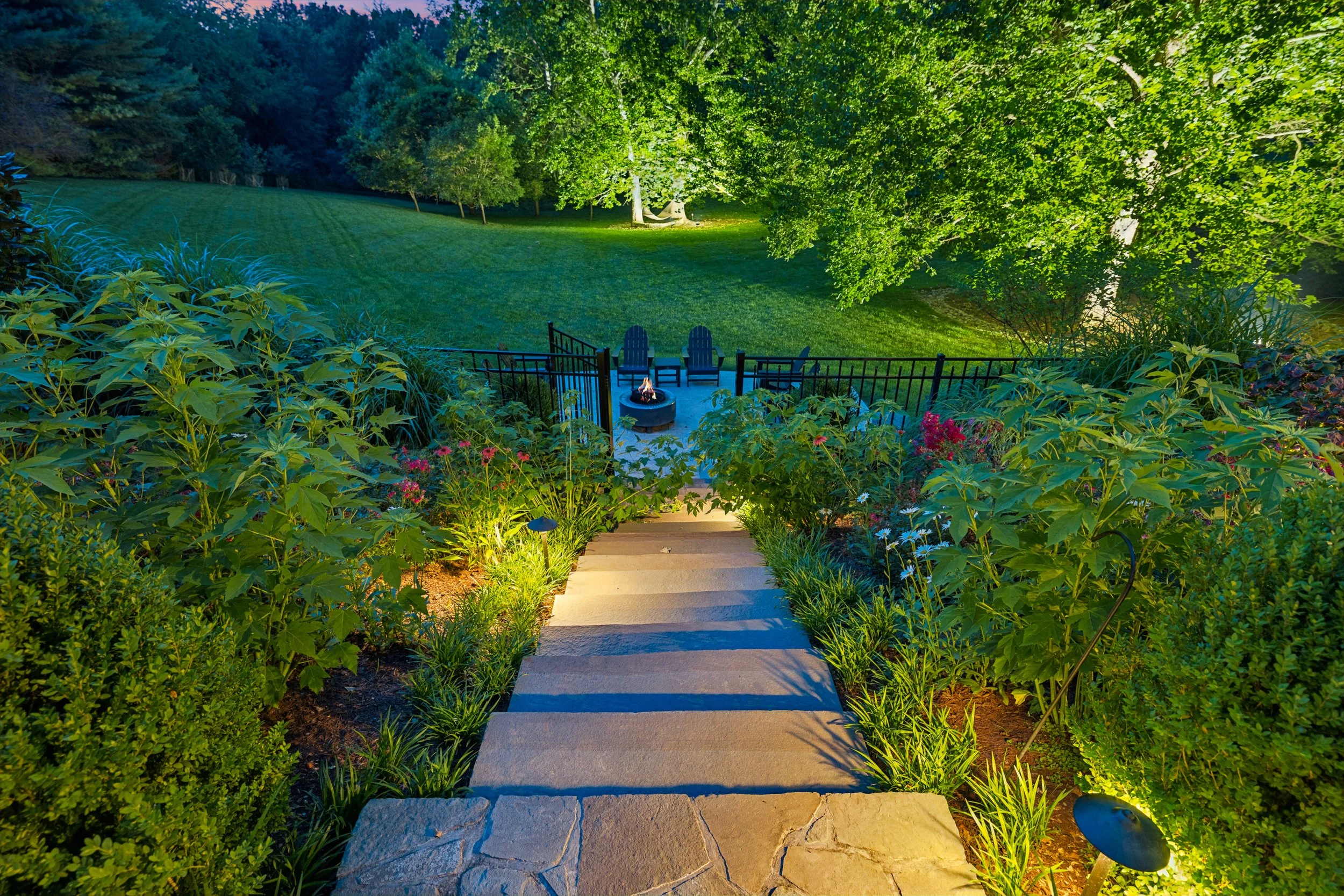
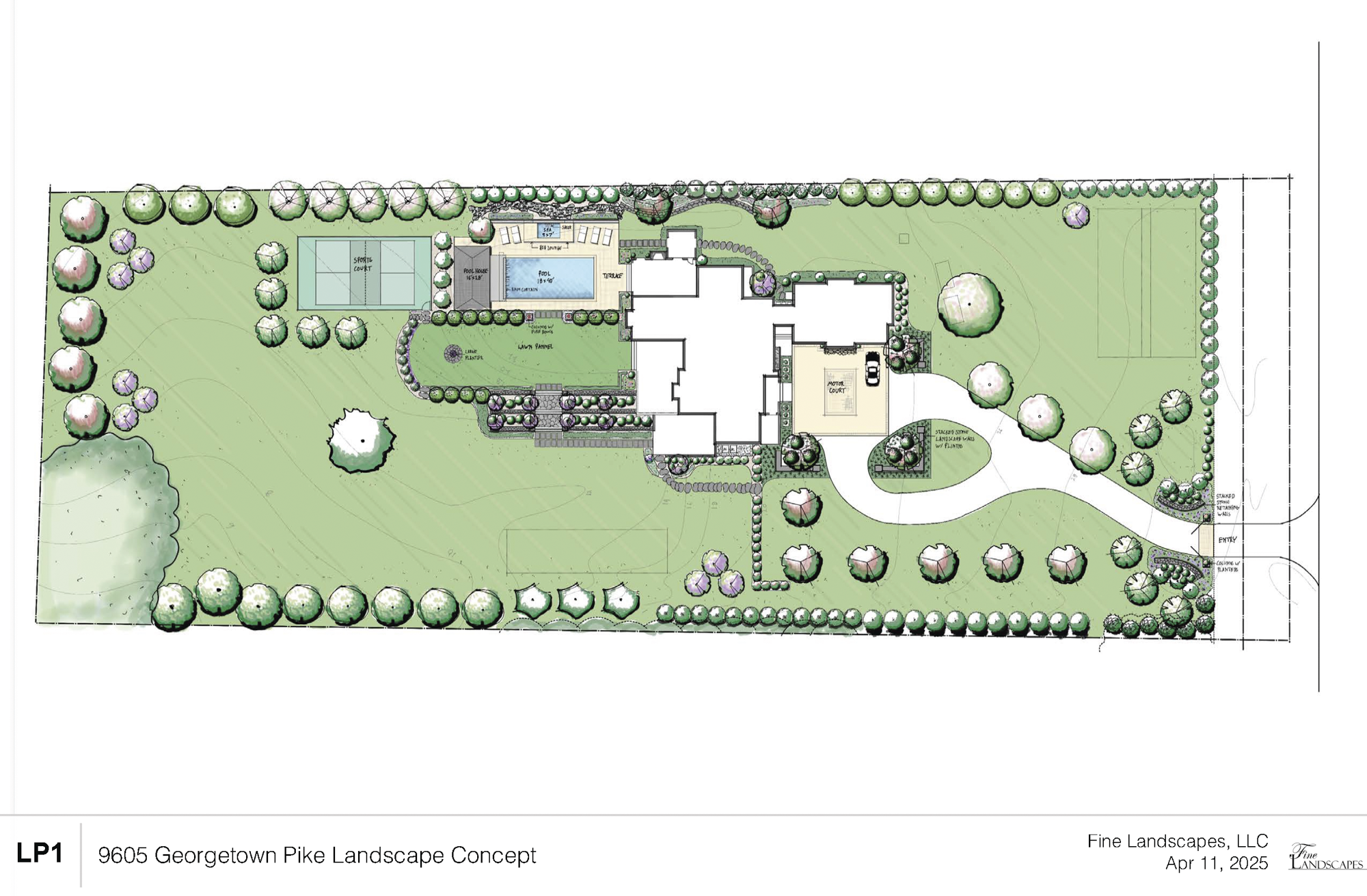
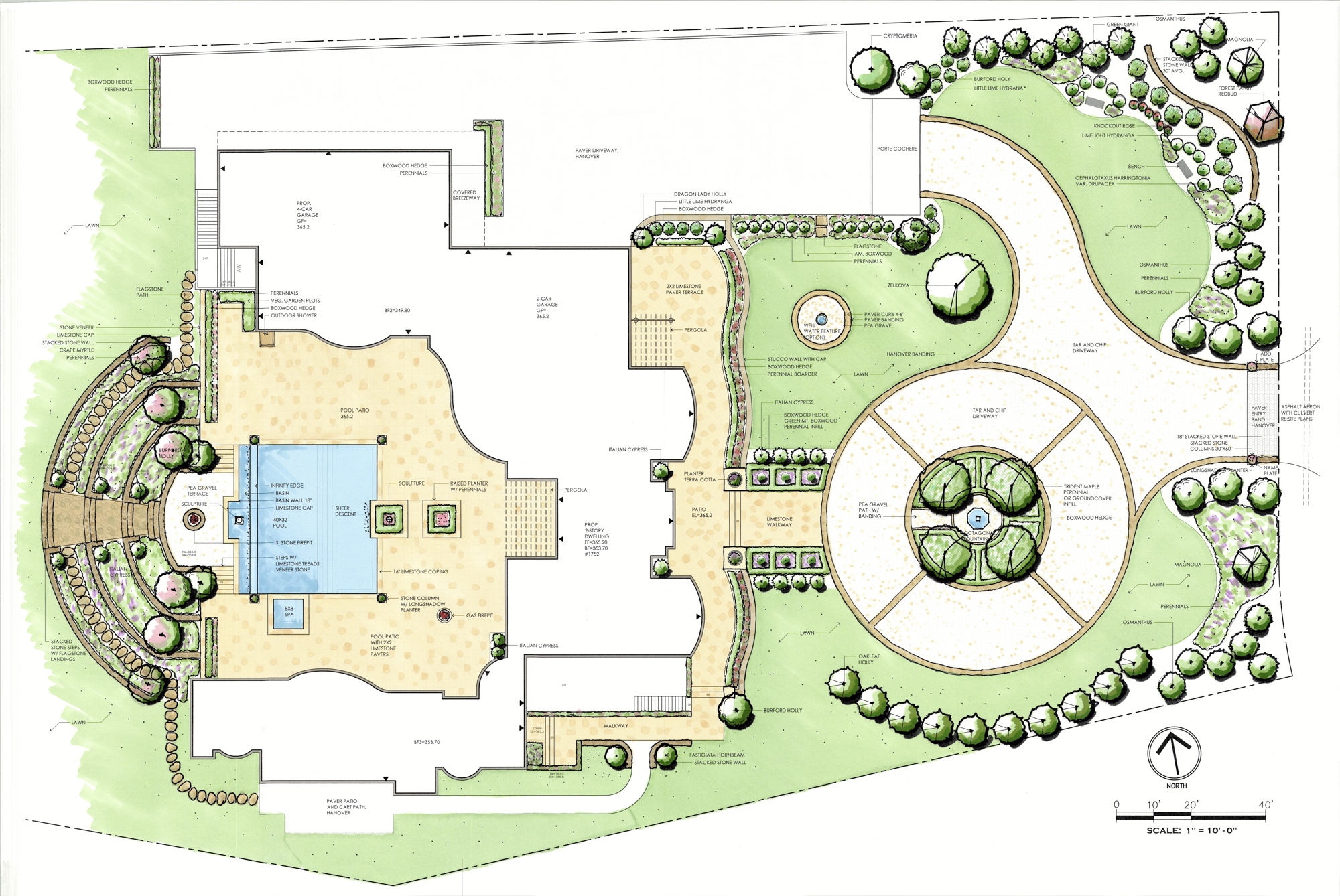
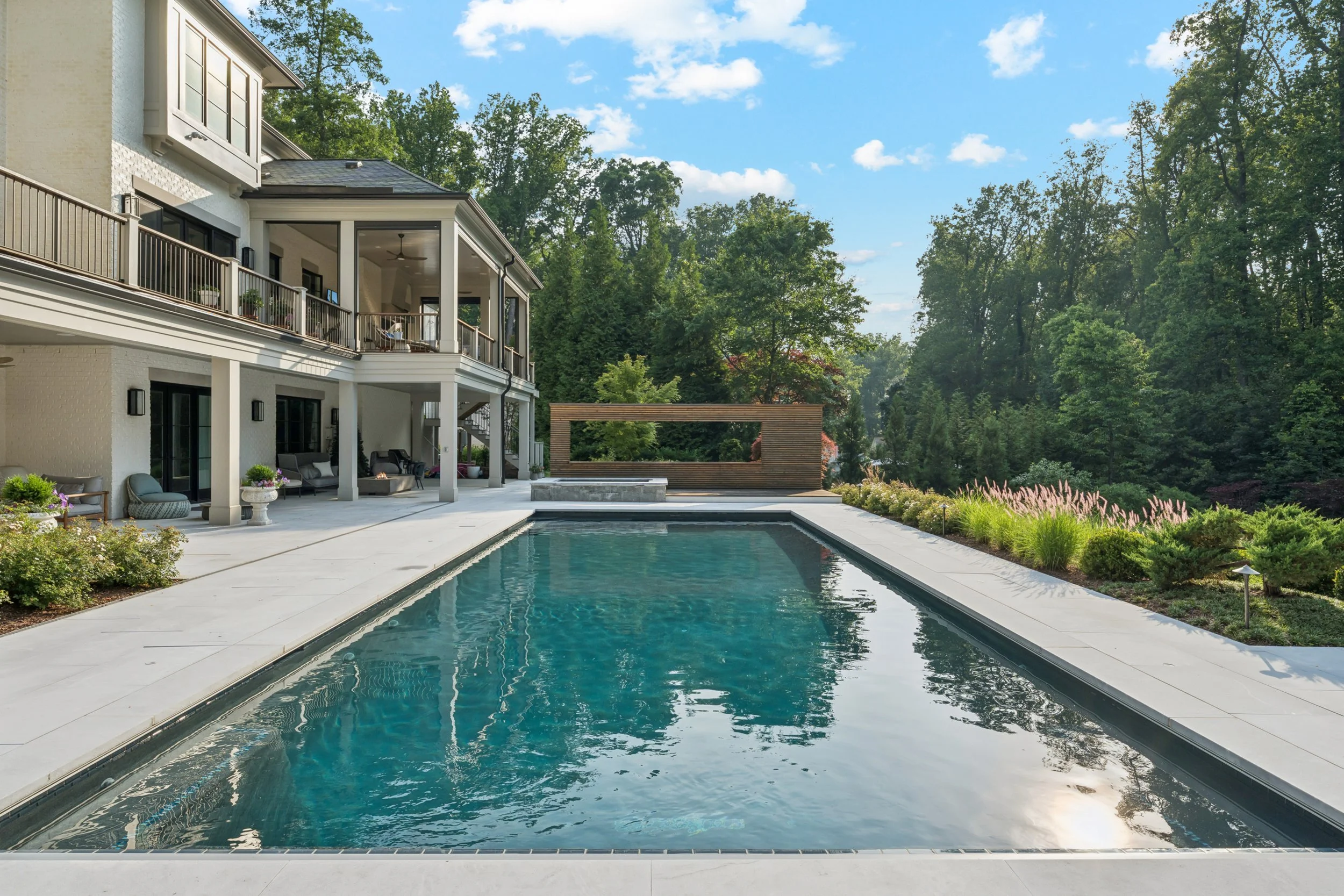
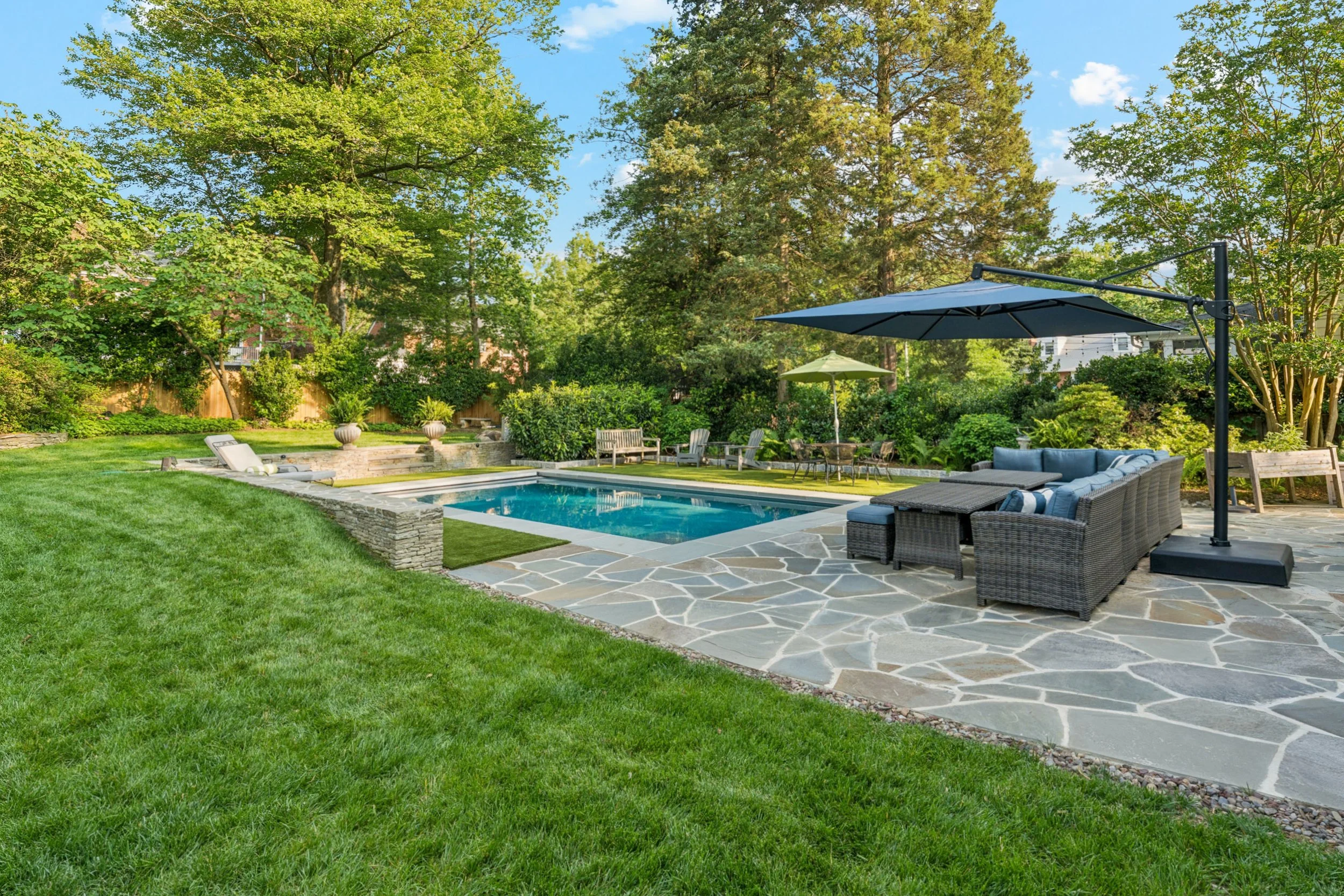
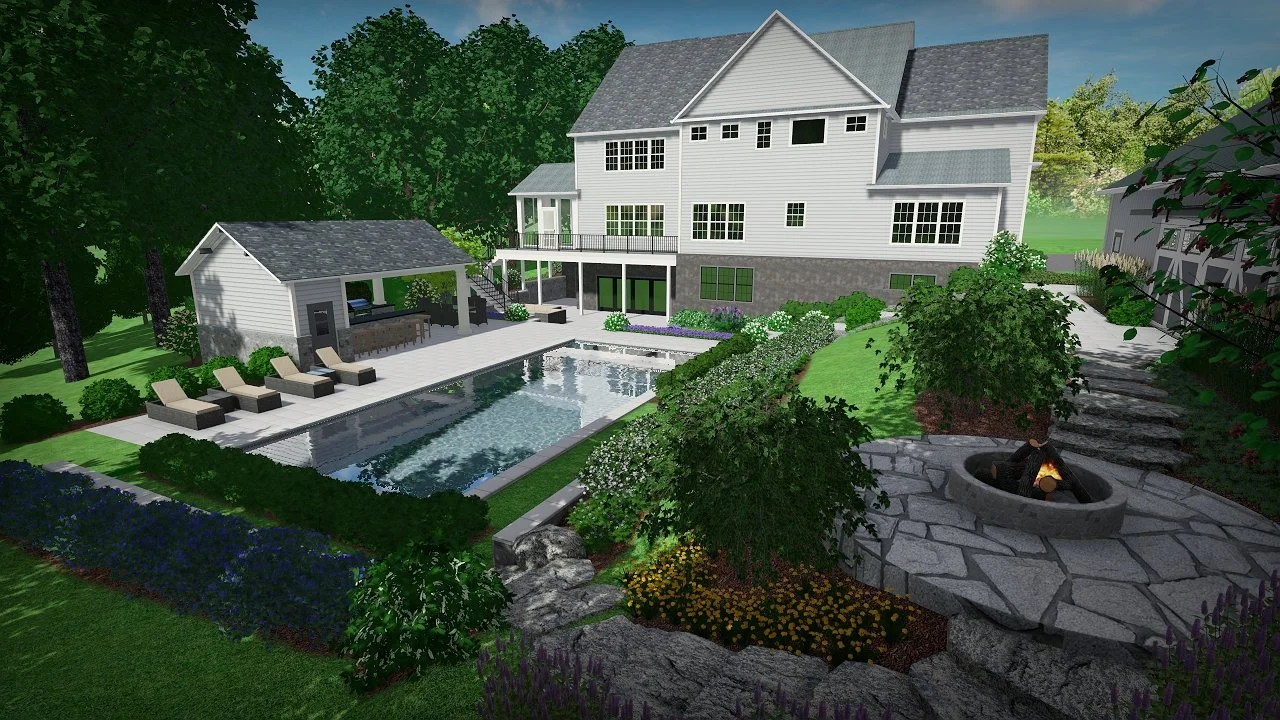
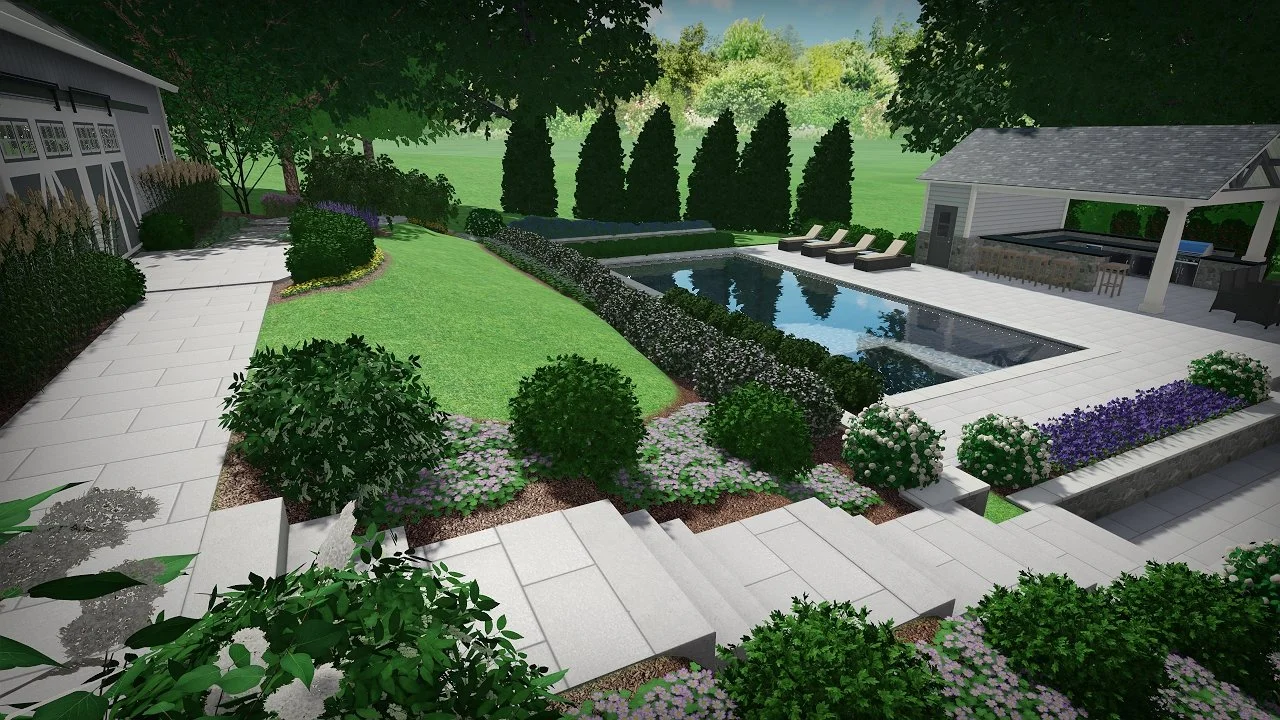
This project for me is the Sycamore Grove Residence (pictured above). I often place myself in my clients’ shoes to fully understand not only their immediate goals, but also how their needs may evolve over time. This approach allows us to look beyond the current scope of work and thoughtfully envision future improvements, resulting in a comprehensive master plan for the property. The clients initially engaged us to renovate their pool terrace in preparation for their child’s 16th birthday celebration. As construction progressed, they were drawn to both the quality of our workmanship and the momentum of the transformation. Following the event, they invited Fine to complete the remaining phases of the master plan, bringing the full vision for their landscape to life.
Are there specific materials, plant palettes, or design elements you consistently return to in your work? Why?
Evergreens form the backbone of our landscape designs, creating a sense of “forever green” throughout the year. Their consistent color, combined with rich variations in texture, brings lasting structure and visual interest to the garden. During the quieter months—late fall, winter, and early spring—when much of the landscape rests, evergreens continue to express vitality and life. These seasons account for nearly half the year, and our thoughtful use of evergreen groundcovers, shrubs, trees, and specimen plants ensures the landscape remains full, engaging, and beautiful year‑round, offering both continuity and the promise of what’s to come.
What shifts are you seeing in how outdoor spaces are designed or used today?
Everyone seeks an outdoor space that supports moments of peace, gathering, and celebration. Our goal is to create these spaces at a scale that reflects each client’s home and personal lifestyle. In response to an ever‑changing climate, we are often asked to design landscapes that are both resilient and low‑maintenance, without sacrificing beauty or function. Thoughtful consideration is given to balancing sun and shade, while selecting materials and plantings that can withstand extreme weather conditions and continue to perform over time.
What experiences, people, or projects have had the greatest influence on your perspective as a designer?
The greatest influence on my perspective as a designer has come from working closely with clients and experiencing how landscape architecture shapes their daily lives over time. I was initially drawn to the profession by a desire to help people, and throughout my career I’ve learned that landscape architecture extends far beyond aesthetics—it influences everything outside of a building, from how spaces are used to how they are felt across seasons and years.
Projects that evolve into long‑term relationships, such as the Henderson Residence, have particularly shaped my approach. Beginning with a focused scope and growing into a comprehensive master plan reinforced the importance of thinking beyond immediate needs and designing with longevity, adaptability, and restraint in mind. These experiences, combined with working within an ever‑changing climate, have led me to prioritize resilient, low‑maintenance landscapes that balance beauty, science, and function. Ultimately, it is the intersection of people, place, and time—and the responsibility to design spaces that remain meaningful year‑round—that continues to inform and refine my work as a designer.
What’s something about landscape architecture that you wish more clients or homeowners understood?
I wish more clients understood the time necessary for good design.
The experiences that have most shaped my perspective as a designer have reinforced a simple truth: good design takes time. Landscape architecture operates on a canvas shaped by climate, seasons, growth, and human use, and it requires patience to understand how these elements come together. By listening closely to clients, anticipating future needs, and allowing ideas to develop thoughtfully, we create landscapes that are resilient, meaningful, and lasting. A measured design process leads to spaces that feel natural, perform well over time, and reflect both the home and the people who live there.
Good design is never rushed or forced, it is cultivated. A creative environment provides the space and clarity needed for ideas to develop with purpose and care.

What first drew you to landscape architecture/design, and how has that motivation evolved over time?
I was first drawn to landscape architecture as a child through my fascination with outdoor spaces and a desire to create more places that encourage people to spend time outside. I want others to experience and appreciate the natural environment in the same way I do. One of the things I love most about landscape architecture is how spaces evolve with the seasons, offering new experiences and connections to nature throughout the year.
How would you define your approach to landscape design today?
My current design approach emphasizes careful listening and close collaboration with clients to ensure their vision is fully realized. Understanding user needs and desires is essential to creating outdoor spaces that are both functional and inviting. The clearer that understanding, the greater the success of the project.
Is there a project that best represents your work or approach? What makes it stand out?
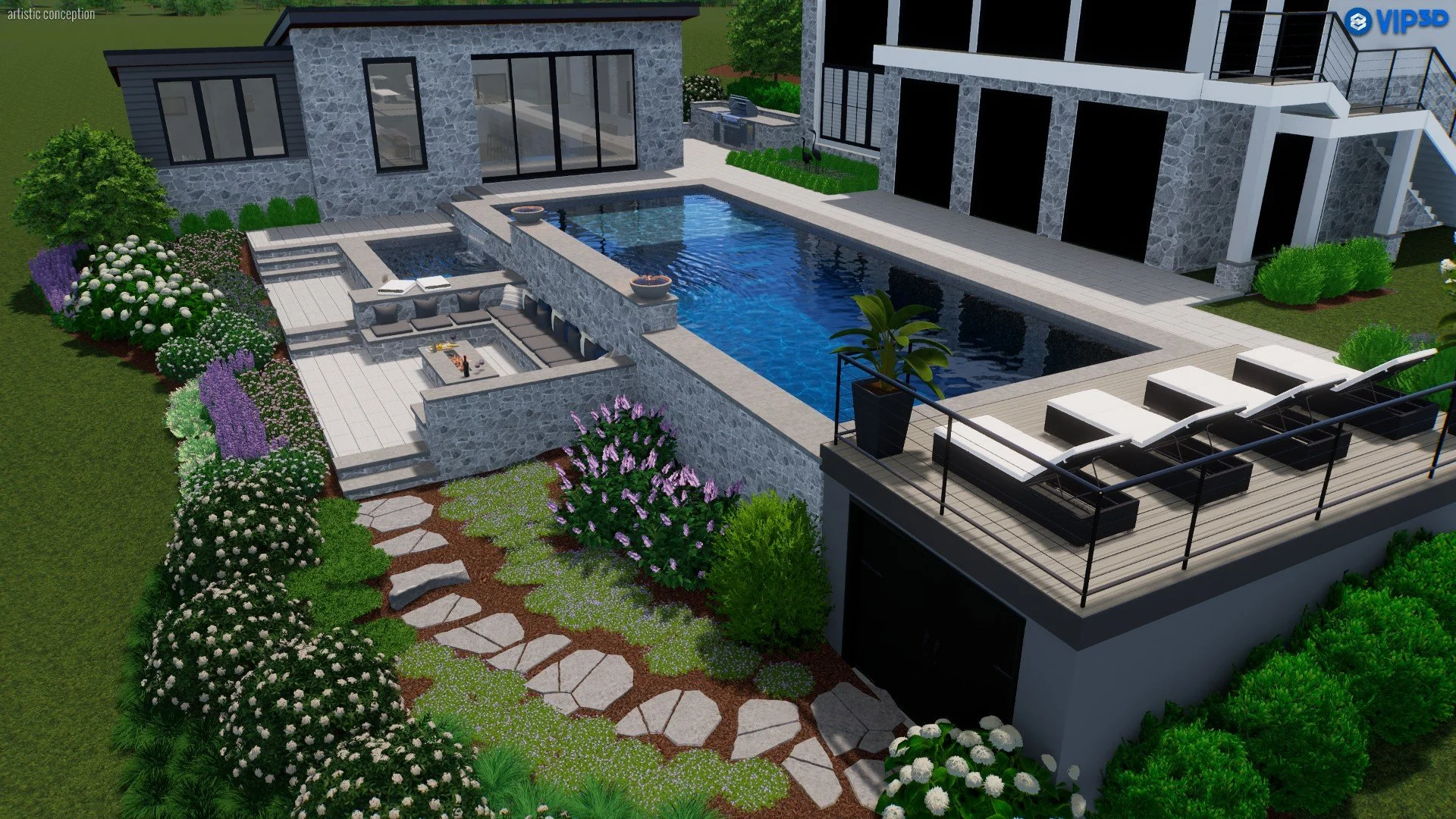
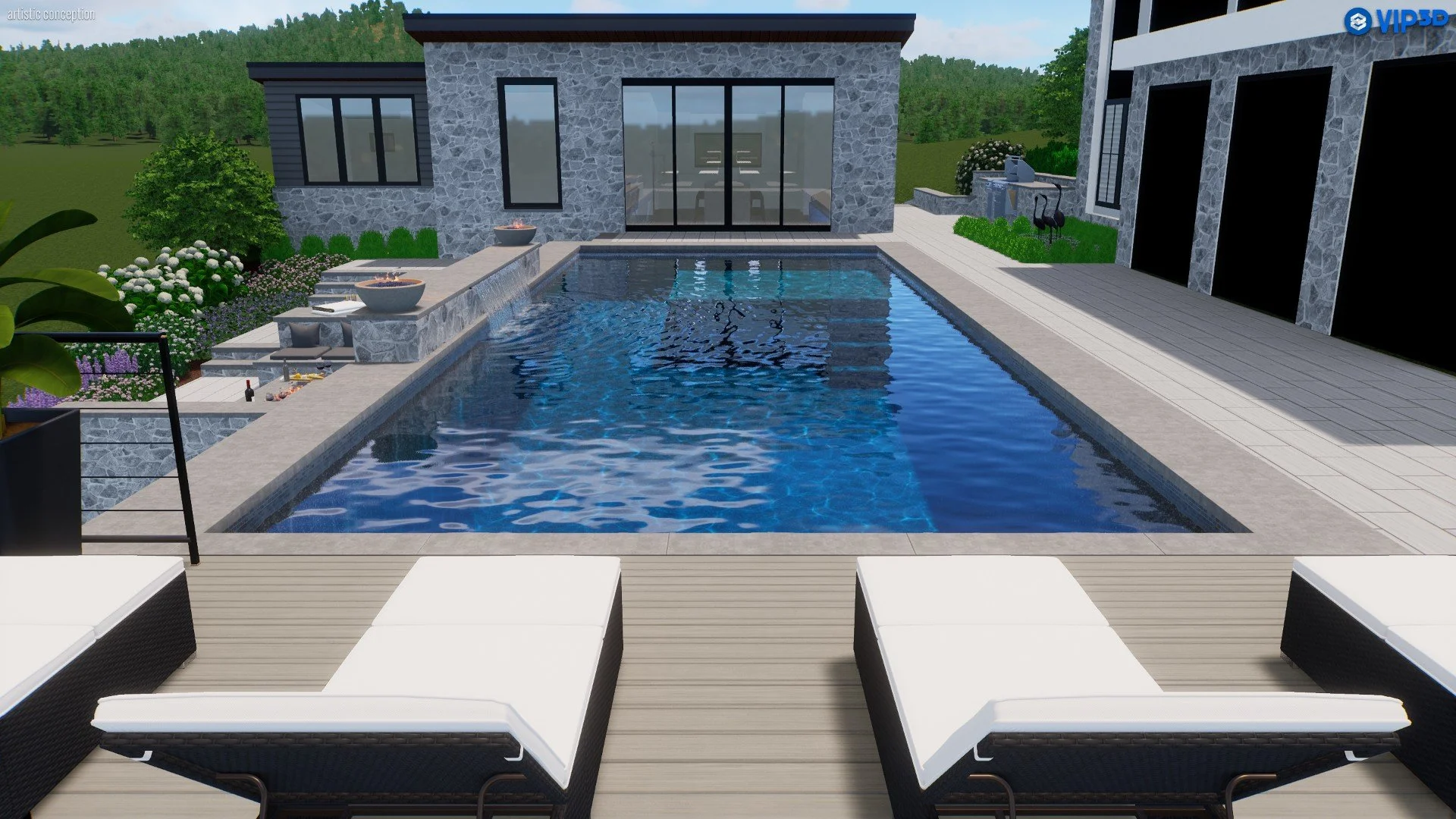
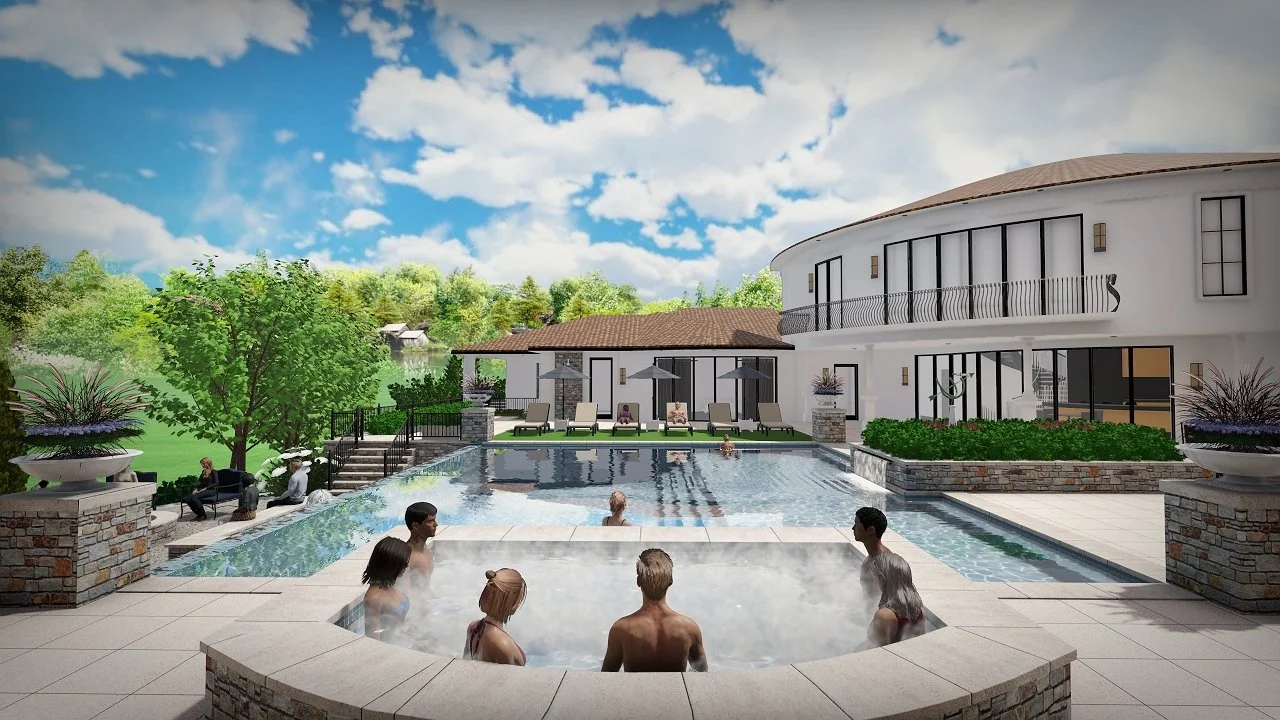
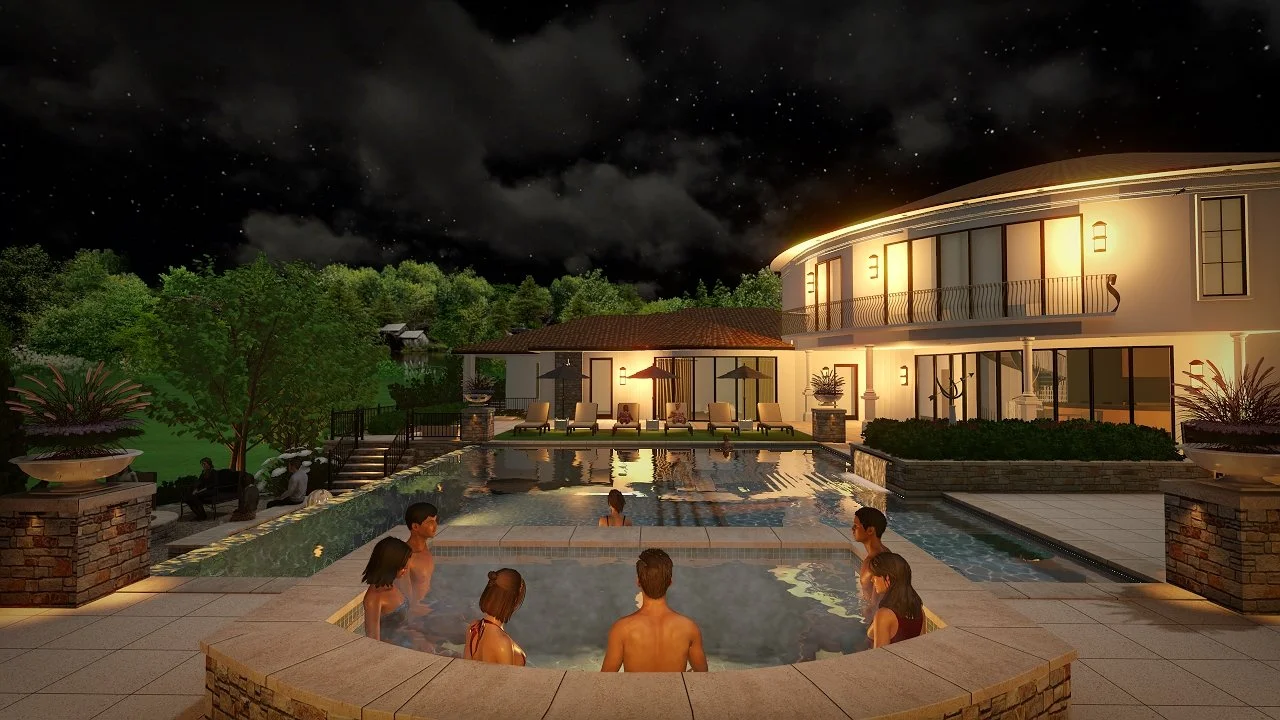
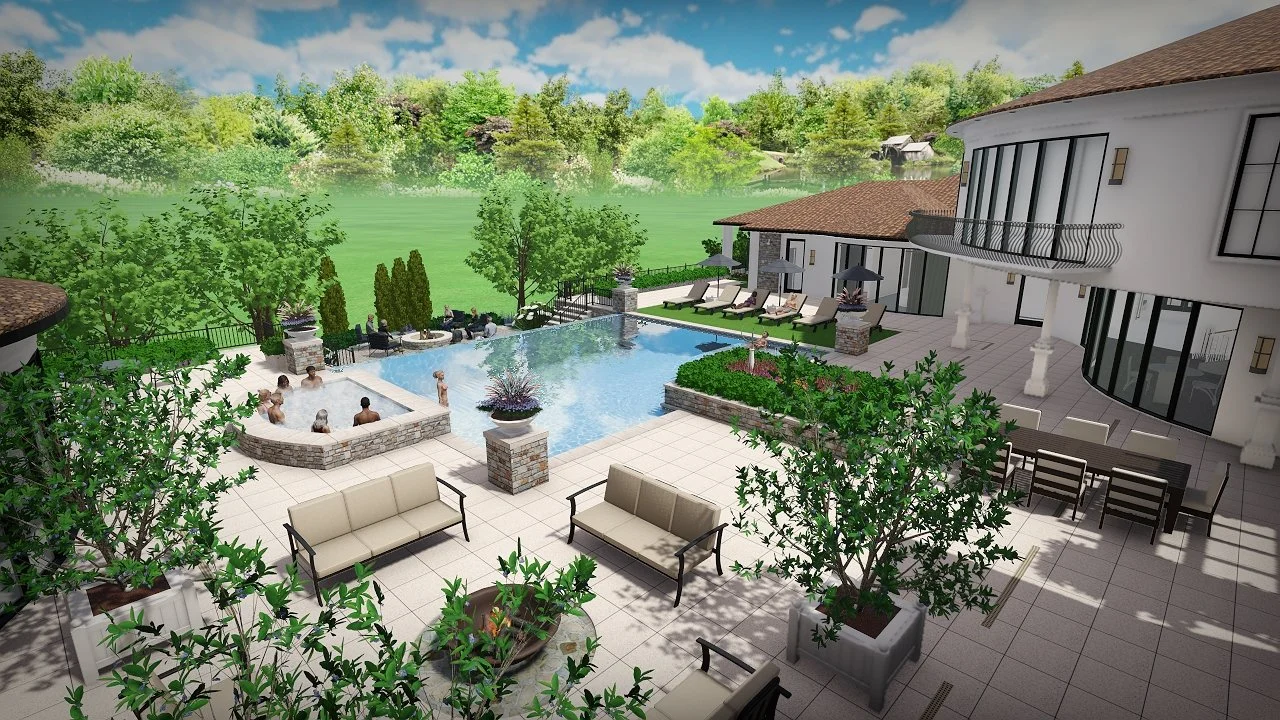
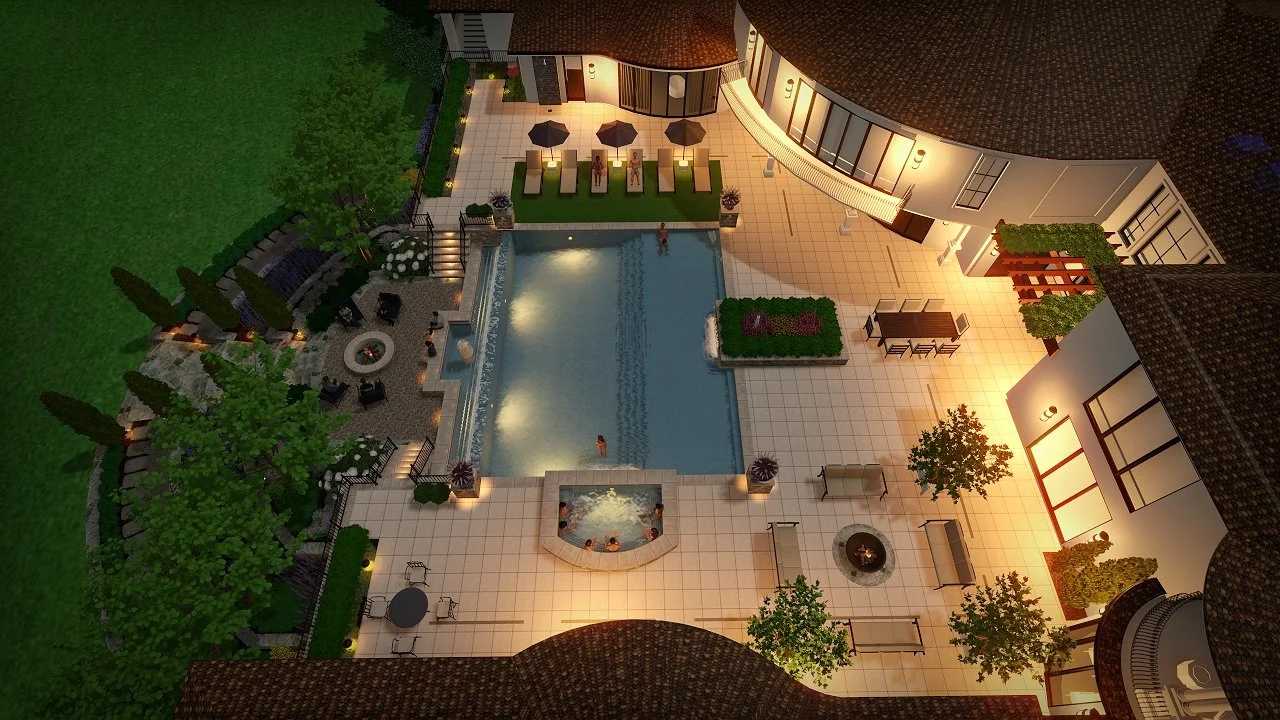
One of my projects brings together stone, metal, water, and fire, carefully arranged to create a modern outdoor oasis. The design incorporates sculptural elements, water features, pools, and both indoor and outdoor living spaces, all set within and embraced by a surrounding woodland landscape. The result is a cohesive environment that balances contemporary design with a strong connection to nature.
Are there specific materials, plant palettes, or design elements you consistently return to in your work? Why?
I enjoy using fastigiate (narrow with branches growing vertically) and columnar (narrow with short branches growing horizontally) plantings because they help create a sense of grandeur and structure on properties with limited space. These forms allow for vertical emphasis without overwhelming the site. I also prefer incorporating natural stone materials in a modern way, ensuring that even contemporary designs remain grounded in and connected to nature.
What shifts are you seeing in how outdoor spaces are designed or used today?
I am seeing a more modern interpretation of the traditional garden, where planting is used not only for aesthetic appeal but also to soften hardscape edges and serve practical functions. Elements such as strategic screening help create a sense of privacy, transforming outdoor spaces into private, oasis-like environments.
What experiences, people, or projects have had the greatest influence on your perspective as a designer?
My most impactful experiences have been cultural ones, having lived and worked with diverse groups, from communities in the Amazon Basin of Bolivia to those in the high Andes of Peru. Spending time in these environments has taught me to appreciate culture and the many ways people connect with one another through outdoor spaces. These experiences have also given me a deeper understanding of how differently people perceive the world and reinforced the importance of not imposing my own ideas on how others experience and value their surroundings.
What’s something about landscape architecture that you wish more clients or homeowners understood?
As funny as it may sound, I sometimes say that I’m “not a bush pusher,” a phrase I use to emphasize that landscape architecture encompasses a far broader and more impactful skill set than simply arranging plants in a bed. The profession involves understanding space, culture, ecology, materials, and human behavior at multiple scales. I believe landscape architecture is often deeply misunderstood, and part of my role as a designer is helping others see the discipline’s full scope and value.

What first drew you to landscape architecture/design, and how has that motivation evolved over time?
It is a profession that combines designing with structures and nature to make beautiful, functional, and purposeful spaces for people to connect with the outside environment. This motivation has stayed true through my entire career.
How would you define your approach to landscape design today?
I strive to create designs that are a true reflection of the client's needs and lifestyle. At the core of my work is a careful balance of function, form, and elegance, ensuring that each space is not only beautiful, but also purposeful and intuitive to use.
Is there a project that best represents your work or approach? What makes it stand out?
My approach to design is one that focuses initially on the "why" rather than the physical elements of the project. Taking a step back to examine the goals for a project and how the client intends to use the space allows us to leave our design options open to truly find a unique design to meet their needs. An example from when I owned my own business comes to mind. The client was very focused on putting a screen porch on one side of their home. When I lead them through my "why" first process, we were able to come up with a patio and porch design on a completely different side of the home. The project ended up being much better suited to their needs and ended up being a much more cost effective project overall.
Are there specific materials, plant palettes, or design elements you consistently return to in your work? Why?
There are not really, I think there are trends in our area locally that result in using similar materials frequently.
What shifts are you seeing in how outdoor spaces are designed or used today?
In our market I am seeing a shift in how elaborate outdoor spaces are getting. More often they are becoming projects on a similar complexity level as building a home.
What experiences, people, or projects have had the greatest influence on your perspective as a designer?
My experience as an independent designer has allowed me to work with many building and design professionals.
What’s something about landscape architecture that you wish more clients or homeowners understood?
I wish they understood that our value to a project is more than a means to get a drawing. We are a conductor and steward of every property we work on. We are experts in orchestrating a cohesive design vision and the overall execution of the project. We are a thought partner and financial advisor making sure that we best steward their investment and that the funds they spend maximize meeting their goals for the outdoor entertainment spaces.
To see more projects and current designs, follow Fine on Instagram, Facebook, and LinkedIn.