
2026 World Landscape Architecture Month Spotlight - Bear Creek Landscaping
Inspired Pacific Northwest Partnerships: Inside the Vision of Bear Creek Landscaping
The fourth piece in our 2026 World Landscape Architecture Month series is Bear Creek Landscaping, a Washington-based company serving the Greater Eastside area. Appreciated for their expertise in designing and building distinguished outdoor spaces unique to each client, their landscape design and architecture team delivers stunning transformations, backed with routine maintenance.
We learned from their Landscape Architect, David Riley, and their Landscape Designers, Carolyn Gutierrez and McKenzie Adkins, about how they got their start and their takeaways from their careers in landscaping thus far.
Read their full interviews below:

What first drew you to landscape architecture/design, and how has that motivation evolved over time?
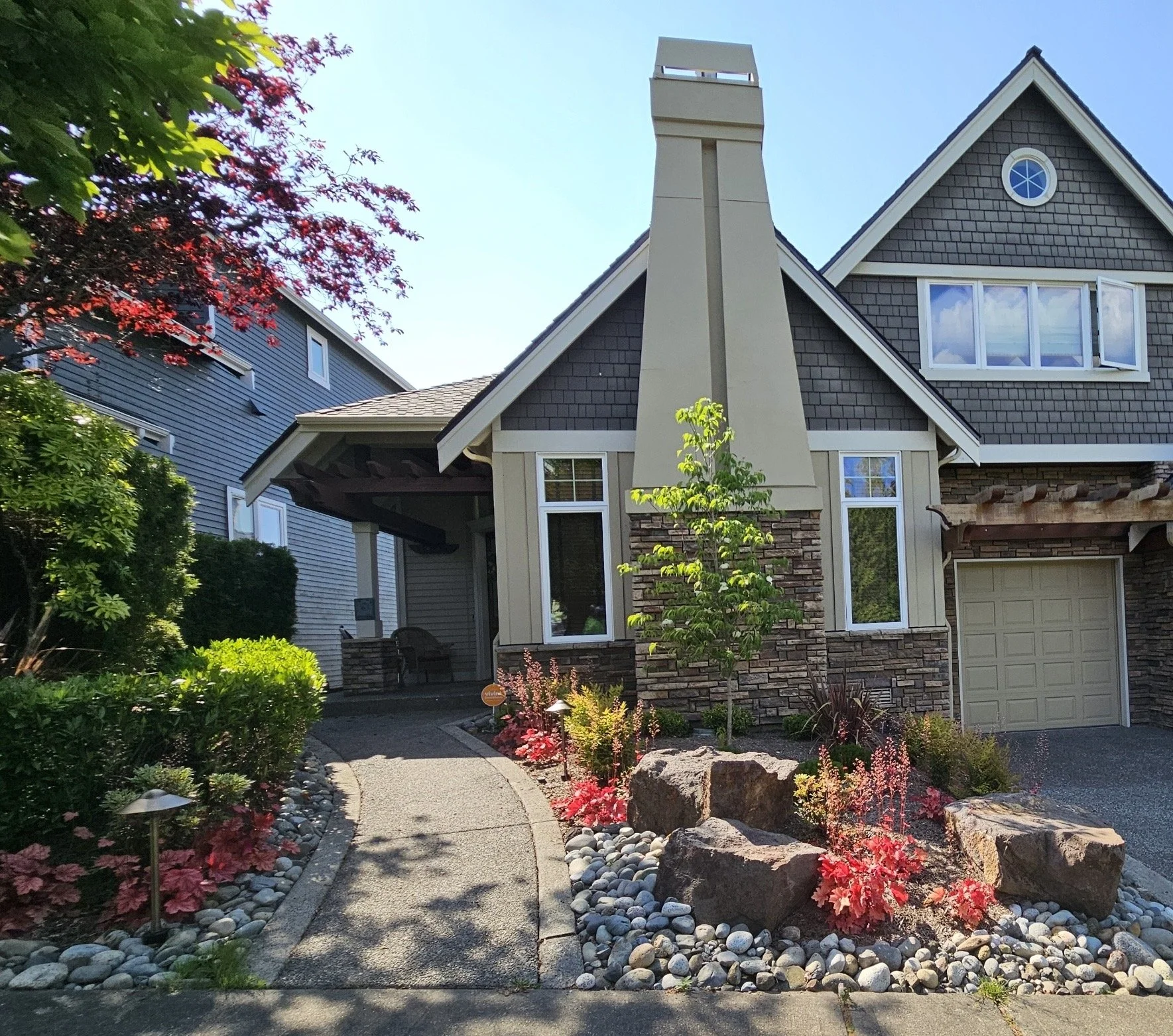
I worked for a small landscape construction company when I was in high school. I wondered, "Who came up with the ideas, the designs that we were installing?" Combined with my natural passion for drawing and painting, I discovered the landscape architecture profession through a friend's father who was a Landscape Architect himself. When I was applying for college entry, he recommended certain schools/programs that would be a good "fit" for me. It's been a natural path forward. I obtained licensure twenty years ago and have devoted my career as a contractor, horticulturist, craftsman, and designer ever since. I truly love what I do. It's called a practice for a reason; there's no "right" answer to what we do, but our job is to find the right solution to suit our client's needs.
How would you define your approach to landscape design today?
I come with an open mind and blank sheet of paper to every new design opportunity. I still find the process of distilling a design from the incubation of ideas through collaboration to final product always fulfilling, no matter the project size.
Is there a project that best represents your work or approach? What makes it stand out?
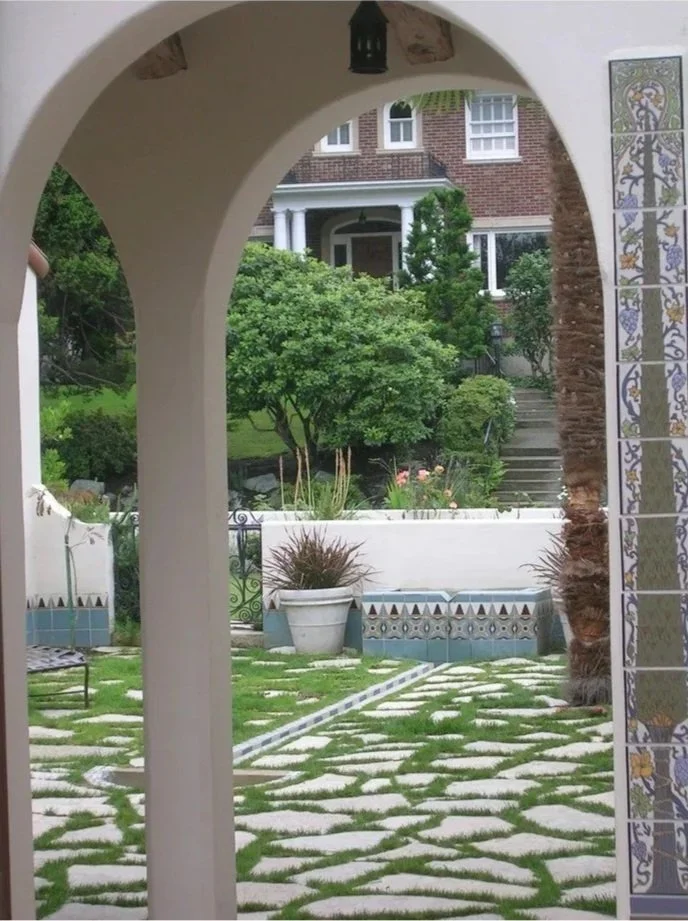
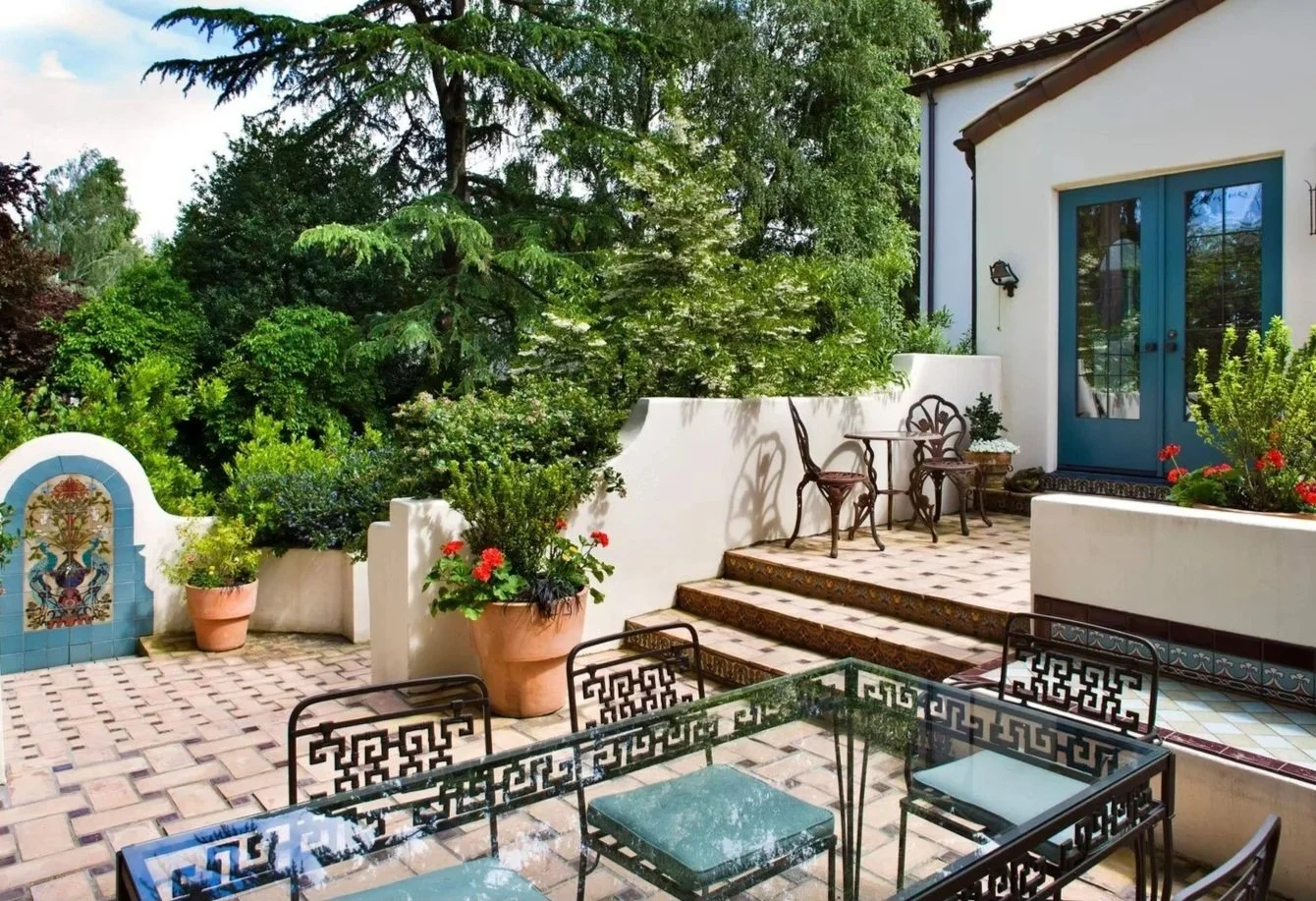
There is one project that stands out. I worked with clients who owned a large home in Seattle. I was asked to develop and install a unique (to Seattle) series of courtyards and gardens in a style completely unfamiliar to me: Southern California Mission Style. I developed a master plan, but the details came from a series of books the homeowner owned. "Can you build this, David?," when shown a picture of a tiled, trough water feature. They had faith in me and, with the help of the crew I employed at the time, we pulled off a very successful project. The homeowners were happy, but more importantly, I felt the detail work we employed in all aspects of construction exemplified the pride in which we implemented the plans and ideas. It turned out to be a very organic approach to construction—a little unorthodox, but worth every bit of the challenge.
Are there specific materials, plant palettes, or design elements you consistently return to in your work? Why?
I tend to use plant material, stone, metal, and water as much as possible in any design. I suppose those are the elements we use in general, but I like creating textural landscapes using all, if possible, in combination. Light, the sky, the time of day—I suppose time really is a design element we often overlook. How a garden looks from day one will, of course transform over time. This one aspect I always use in consideration of garden/landscape design: how will the space transform over time? Our profession differs from architecture in general. Where architecture creates sculpture in the landscape, we as landscape professionals and designers are able to transform and enhance that landscape. A long-winded answer perhaps but I find texture, sound, and light just as important as color, plant pallets, and materials to consider in any design.
What shifts are you seeing in how outdoor spaces are designed or used today?
The big one is AI—it's transforming how designers can both come up with ideas and present them to customers. Customers are using AI more these days and it is something we, as designers and contractors, will need to embrace—it's here to stay. I view AI the same way I used to view magazines homeowners would show me: "I want this," is what I'd hear. Pinterest was the next incarnation of this manifestation, I would say, "Okay—that's all very well and a great start—I can work with these ideas." We need to start somewhere. AI is a good tool to initiate conversations—of course reality often sets in: budgets, permits, site constraints that AI may not "think" about. However it's a decent tool we can stick in our back pocket and use when we need to.
What experiences, people, or projects have had the greatest influence on your perspective as a designer?
There are too many to list! Professors, friends, different roles I've held. I've been at this since the early 1980's. I've been a designer, general contractor, business owner, and craftsman. From building exhibits at the NW Flower and Garden Show in the 1990's—through recessions, the pandemic, you name it—I'm still here and have never thrown in the towel on this profession. I'd have to say every experience I've had, good and bad, has led me to a new level, a new insight into what it is that we do. I'll say it again: there is no "right" answer to what we do, but it's a huge thrill to know when you get it right and hit it out of the park for clients and customers, whether it's for a homeowner or the public to enjoy. I still see trees I planted 35 years ago and say, "Hello friend. Remember me? Well of course not, but I sure remember you.”
What’s something about landscape architecture that you wish more clients or homeowners understood?
I wish more clients understood the design process. A final design doesn't appear out of thin air, well it sort of does, but it takes the PROCESS to distill it to a design that sets it up for a successful project. I'd say the time it takes to get to that final solution isn't always understood by customers. We live in such a fast-paced society and people are more impatient than ever to have something built faster than answering an email. I try to educate customers about the process, about exploring options and looking at costs and how they'll drive a project. We build landscapes intentionally, and while they reflect what the client is looking for now, they’re designed and installed to endure for years to come. There are so many elements - from materials, installation, methods, layout, plant selection, client needs, property geography, etc. - that factor into that. I want them to know I'll do my best to give them a project they're happy with all around, we just need to go through the process of distilling ideas, and we'll get there. 9.99 times out of 10 I'd say they get onboard after knowing that about my approach.

What first drew you to landscape architecture/design, and how has that motivation evolved over time?
My approach to landscape design is rooted in creating environments that genuinely support the needs and lifestyles of each homeowner while making the most of the existing site. I’m driven by a deep curiosity about the way each outdoor environment will be lived in by the people I work with, allowing me to design outdoor spaces that are thoughtful, functional, and highly personalized. My ultimate goal is to create landscapes that are beautiful, intentional, and meaningful throughout the changing seasons.
With a 25-year background in graphic design and print layout, I bring a strong design sensibility into the three-dimensional world of landscape design. I transitioned into this field after co-founding a landscape design and installation business with my husband, who is an experienced hardscape and water feature specialist. For over a decade, we collaborated to design and build distinctive outdoor living spaces while successfully managing our small business.
How would you define your approach to landscape design today?
My years of industry experience as a designer, salesperson, project manager, and maintenance account manager has earned me a well-rounded skill set to guide projects from concept to completion. I focus on listening to clients, assessing existing site conditions, exploring options, and providing thoughtful landscape solutions. As a certified professional horticulturist, I prioritize selecting the right plants that will suit each space for many years into the future and creating functional, low-maintenance outdoor environments that are safe and enjoyable for families’ current and future needs for everyday living.
Is there a project that best represents your work or approach? What makes it stand out?
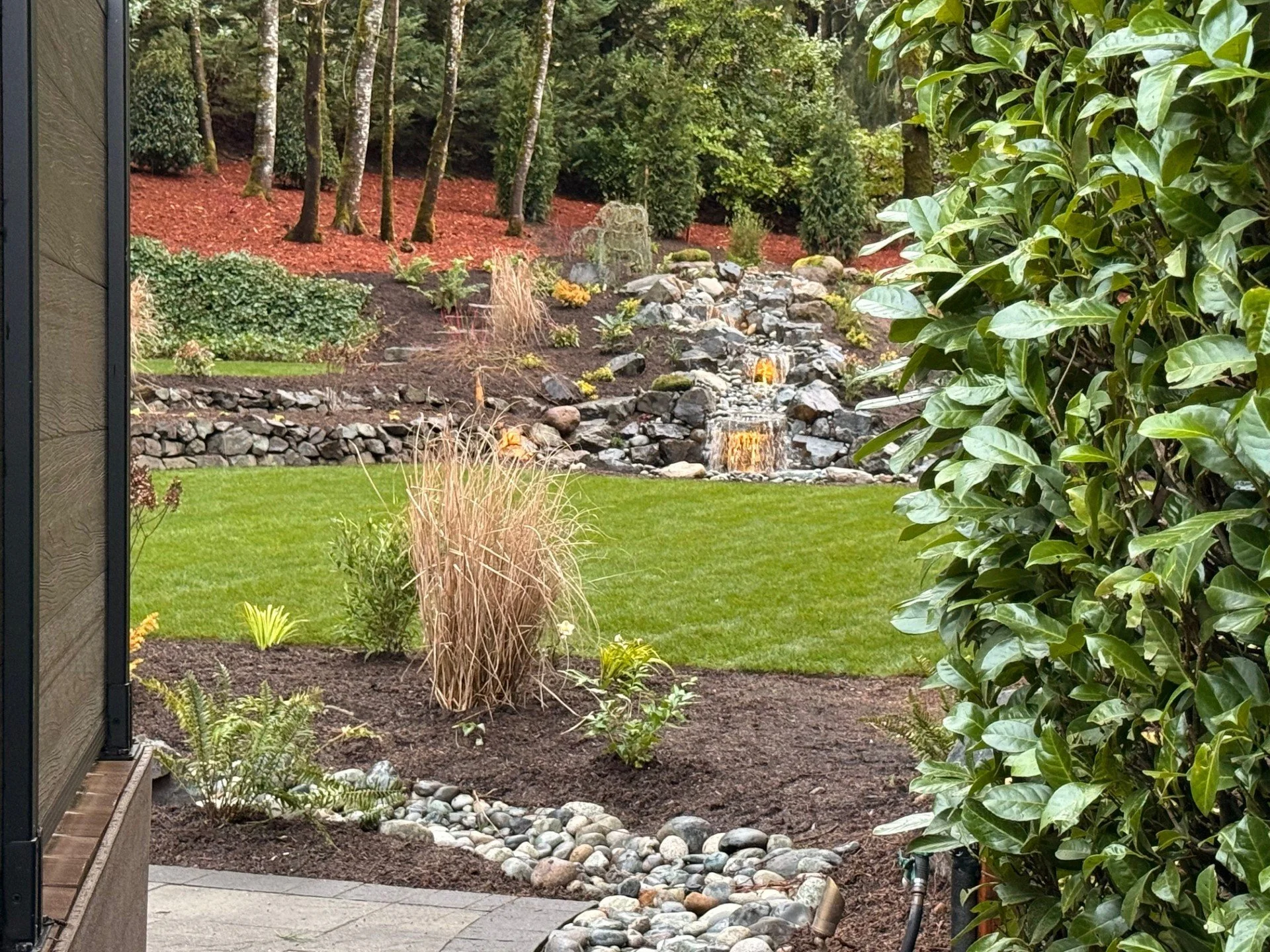
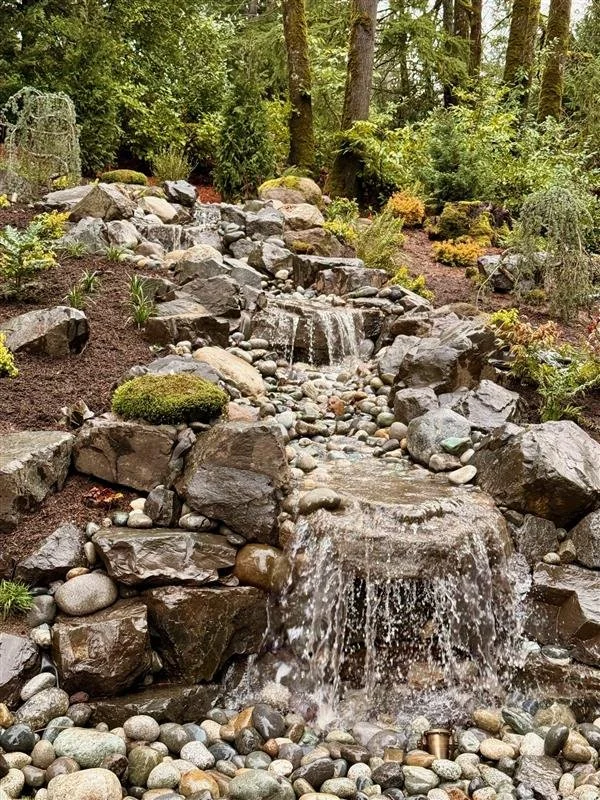
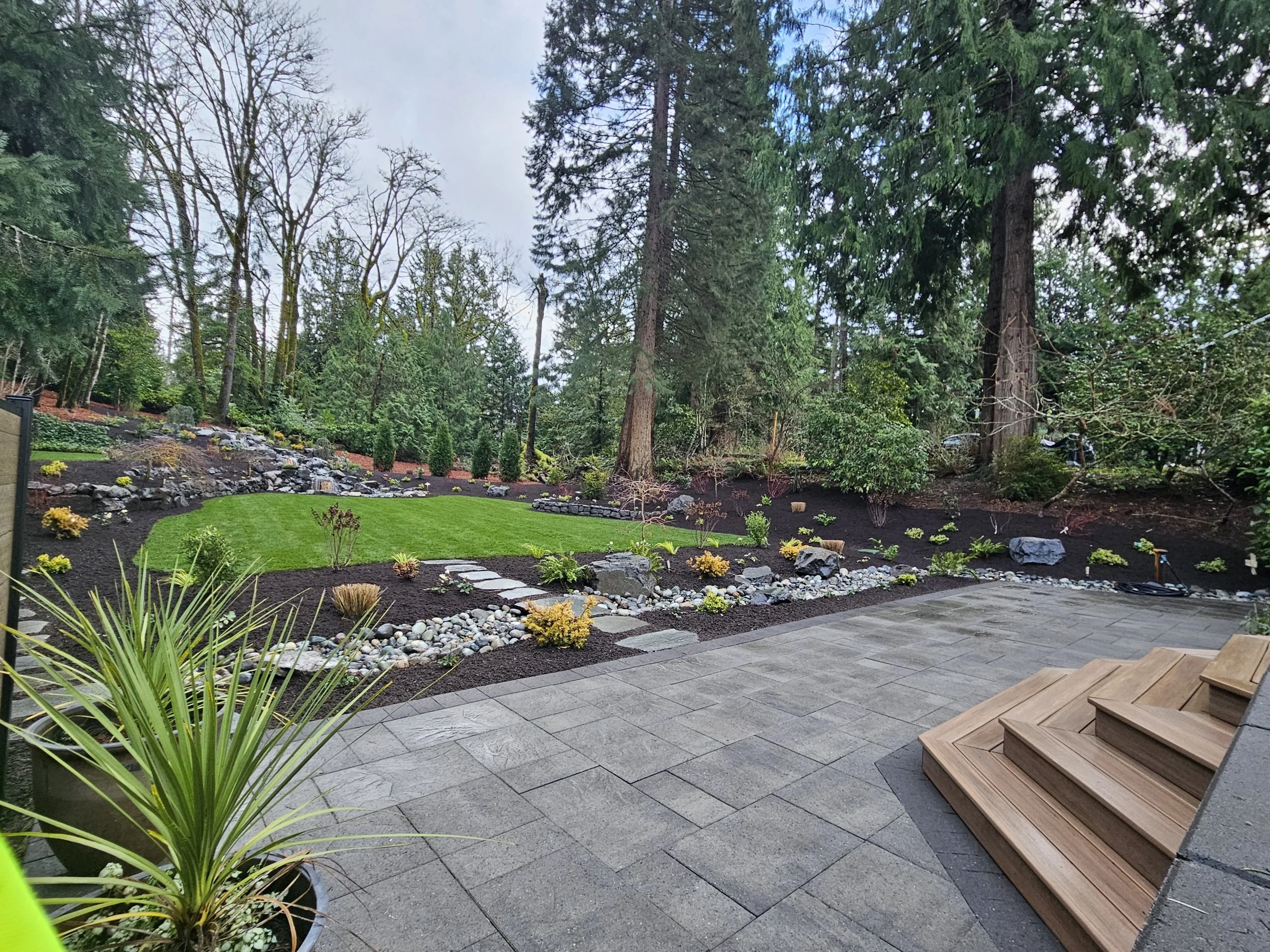
Some of my most recent landscape design renovations have been to create cohesive outdoor living spaces with multiple design features that enhance the existing site conditions and include vantage points such as patios, walkways, and gardens from which to enjoy their properties. I help clients make the most of their landscape investments by making thoughtful choices on hardscape materials, developing combinations of evergreen and deciduous plants, flowers and foliage textures, landscape lighting to illuminate focal points, and, on occasion, water features and fire features.
Are there specific materials, plant palettes, or design elements you consistently return to in your work? Why?
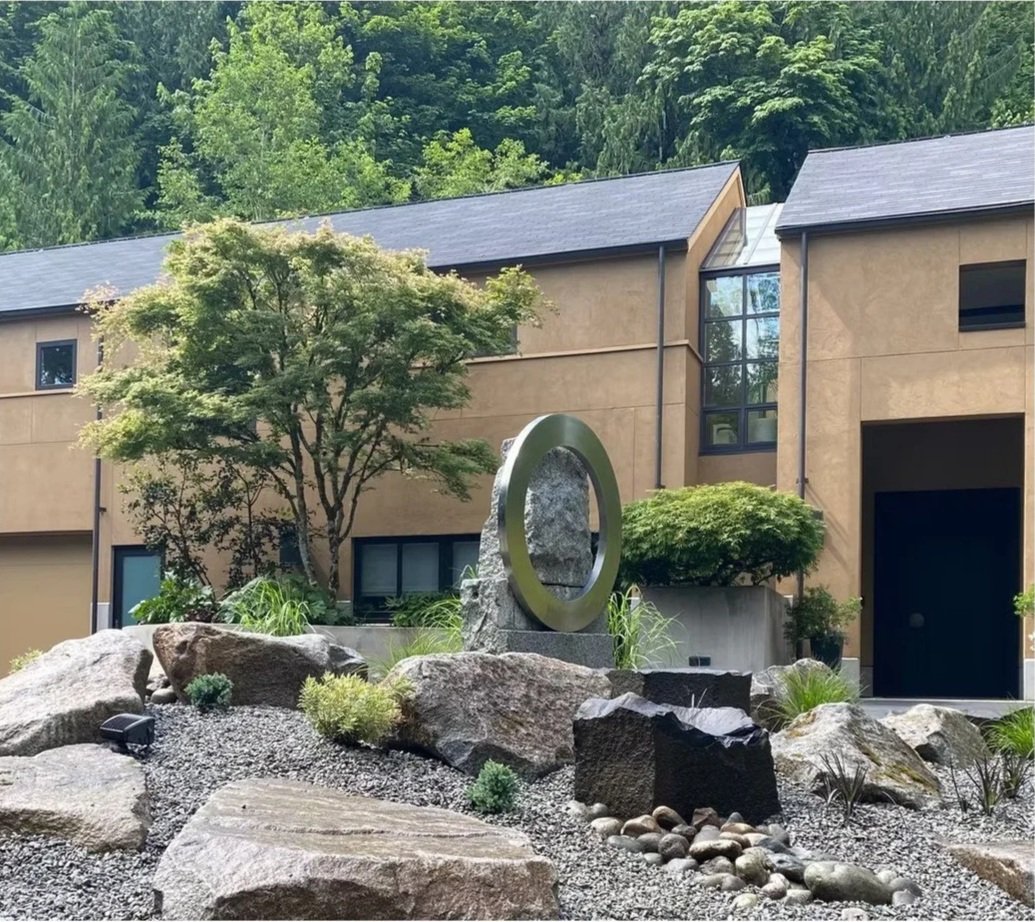
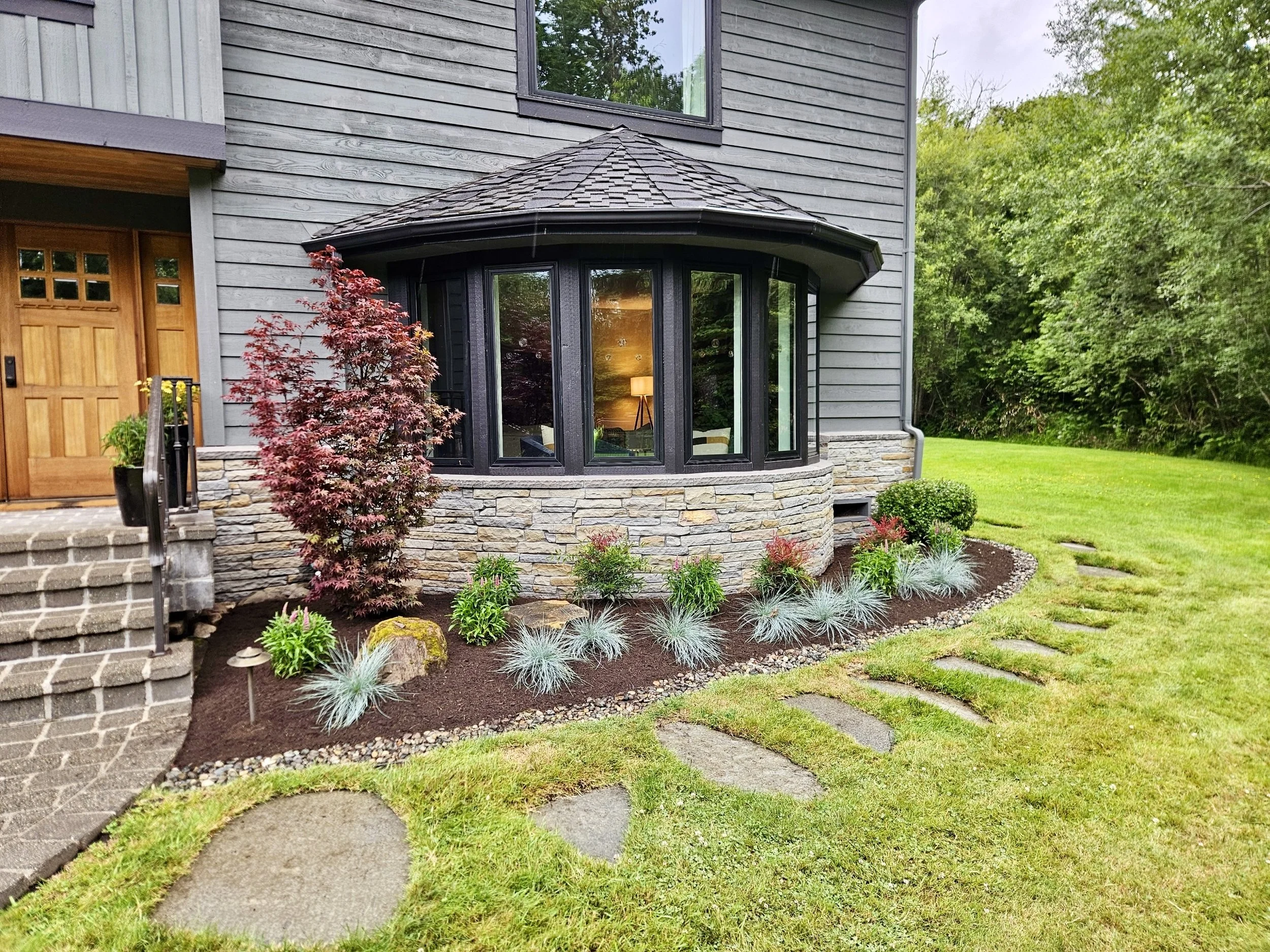
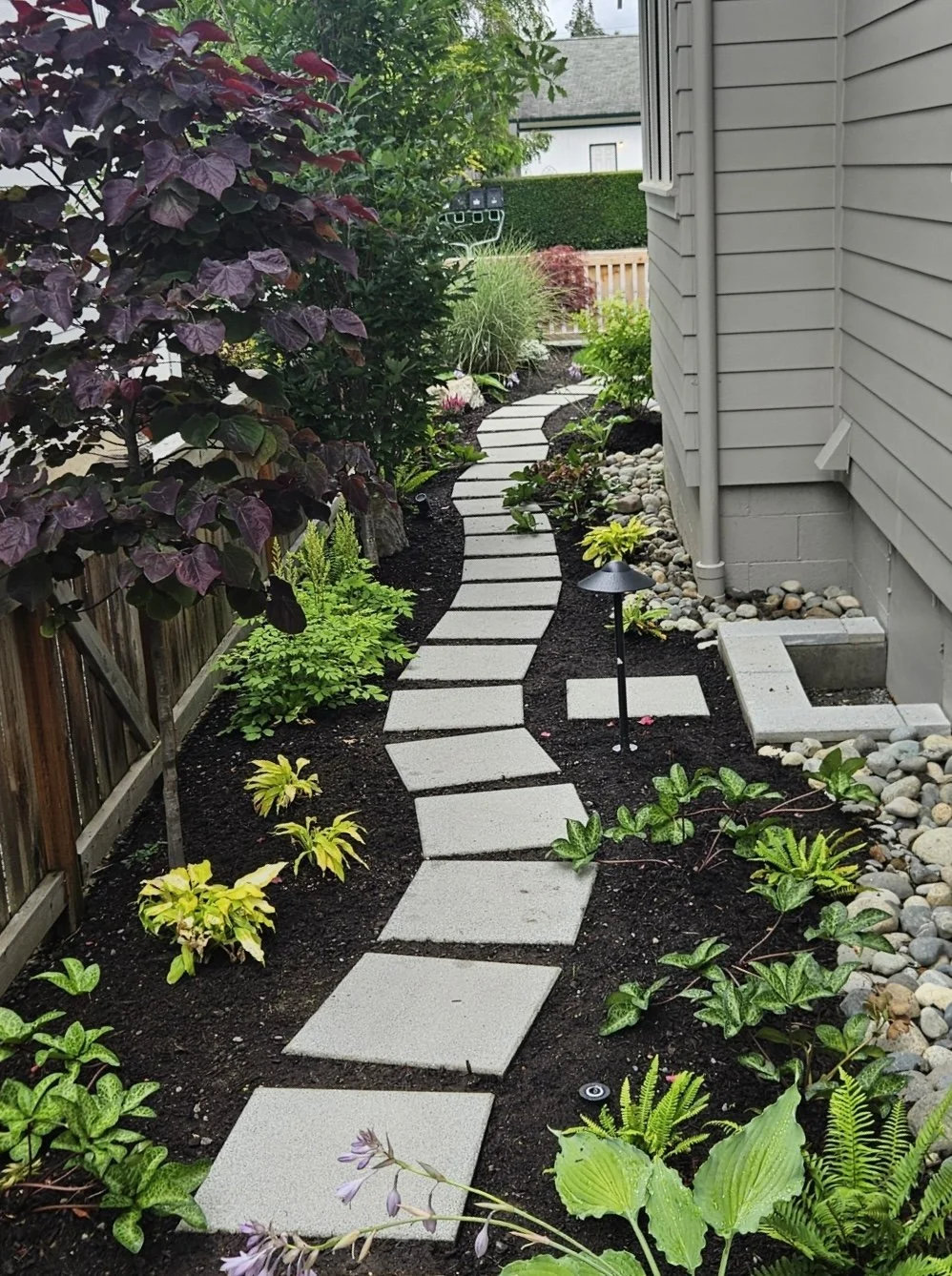
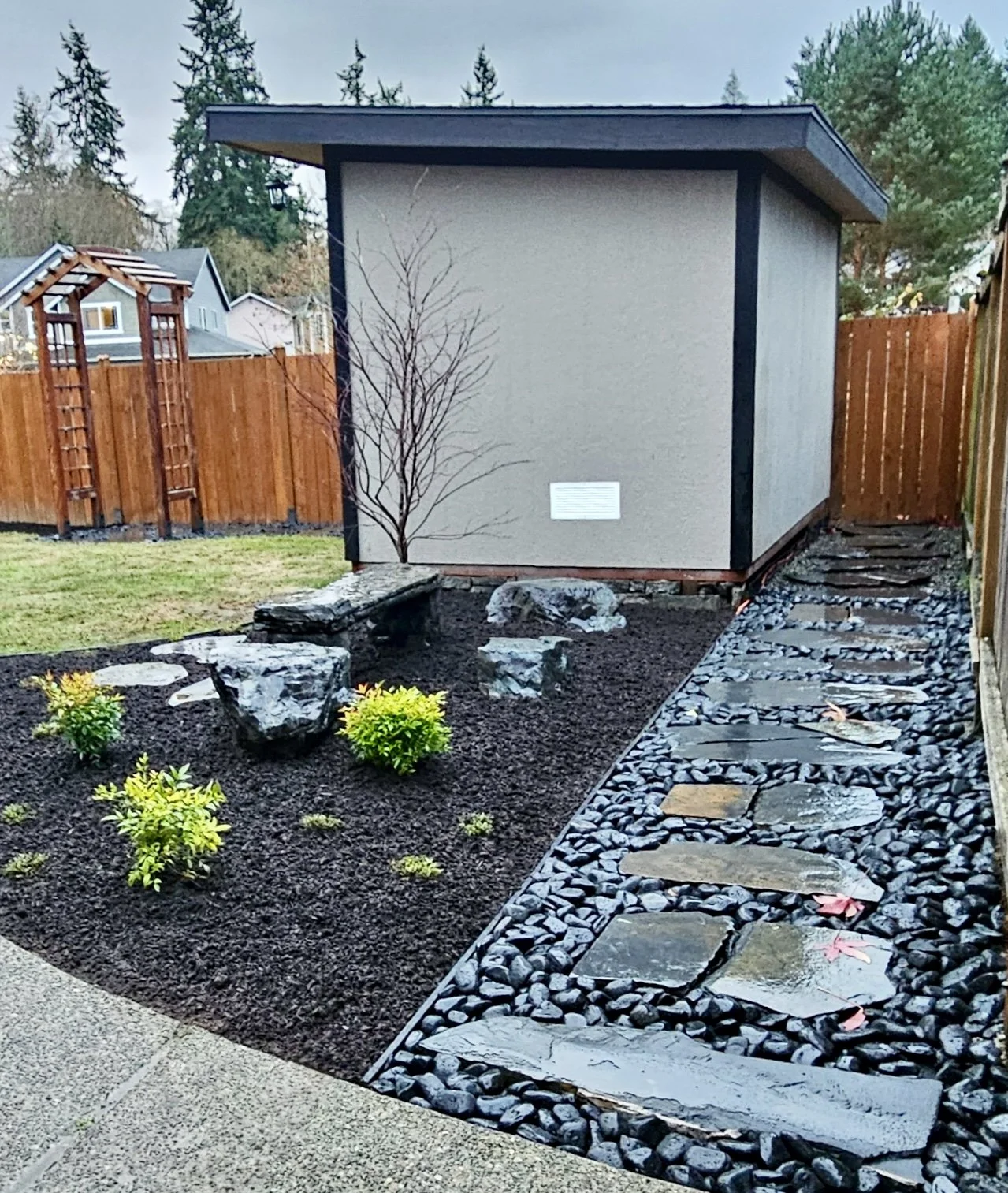
I enjoy the challenge of creating cohesive color and texture to unify landscapes. Sometimes, this could mean a classic and simple color palette of white flowering shrubs and perennials paired with greenery. Other times, it could mean using natural stone or concrete materials repeatedly to connect spaces with pathways and patio areas, along with the placement of natural stone boulders within the spaces to provide a grounded feeling, while also providing a texture to rest the eyes as one takes in the landscape as a whole. A material as simple as dark mulch helps the colors stand out while creating a cohesive and clean appearance, unifying the outdoor spaces. I encourage less ornamental/exotic planting and more planting that “fits the space and surroundings”, designed to handle both heavy rain and drier summers.
What shifts are you seeing in how outdoor spaces are designed or used today?
The approach to multi-use, flexible landscapes that include spaces for relaxing, working, and entertaining with low maintenance requirements are high on my list of considerations. People are busy, and my desire for them is to have less work to do and more time to enjoy their outdoor spaces by designing efficiently for their individual lifestyle. The look is modern but grounded in nature and less flashy by using native and native-friendly plants with lower water needs and locally sourced stone and materials, that work year-round and are child/pet safe.
What experiences, people, or projects have had the greatest influence on your perspective as a designer?
I get a lot of satisfaction and sense of accomplishment when I develop a small under-utilized space into a beautiful, multi-purpose space that provides functionality, easy flow and seamless transition, year-round interest with foliage texture and color, lighting to illuminate focal points, and includes some element of the personality of the individual client. I enjoy making the most of all available area to create a cohesive and useful outdoor living space.
What’s something about landscape architecture that you wish more clients or homeowners understood?
I spend time educating clients on "the right plant for the right space", depending on their individual site conditions—light exposure, existing mature trees, drainage, slopes, and elevation changes so that, while making choices, they understand the reasons behind the recommendations.

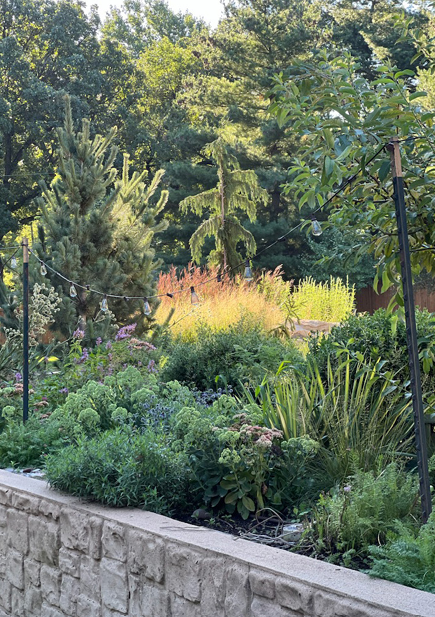
What first drew you to landscape architecture/design, and how has that motivation evolved over time?
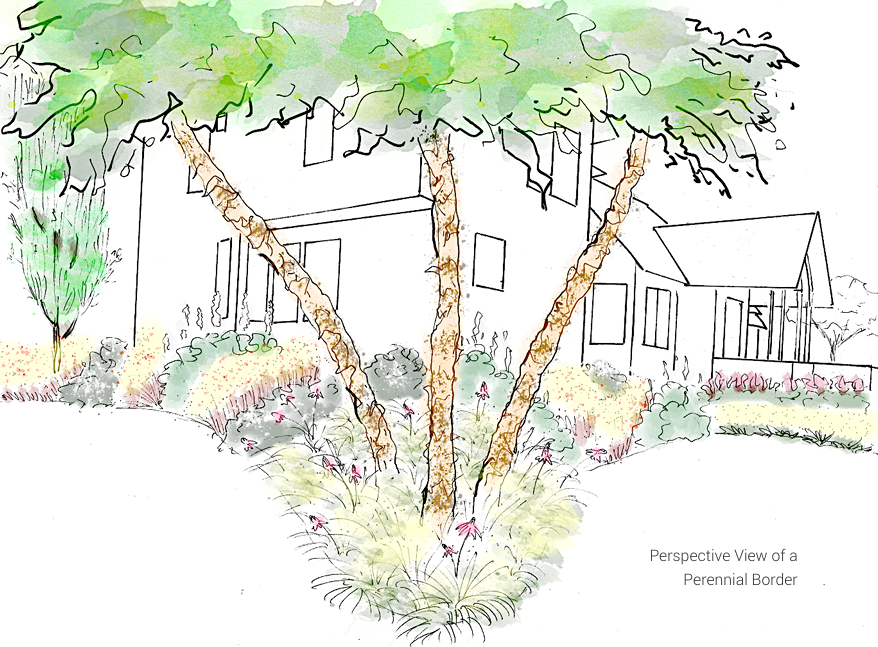
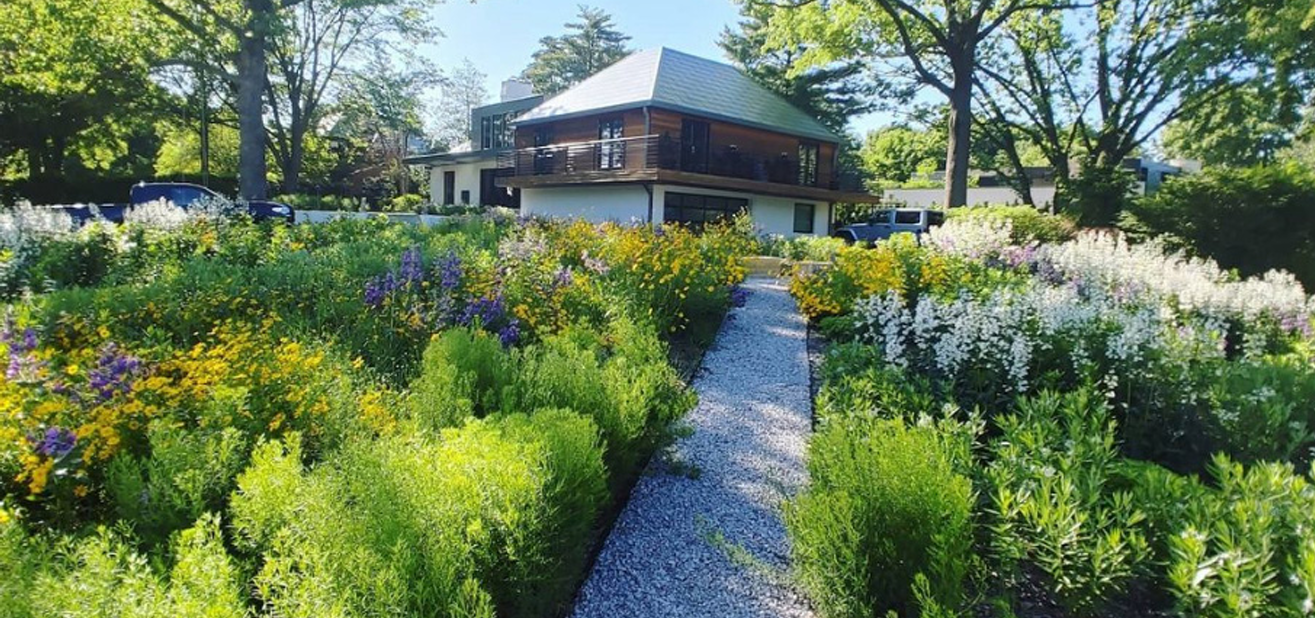
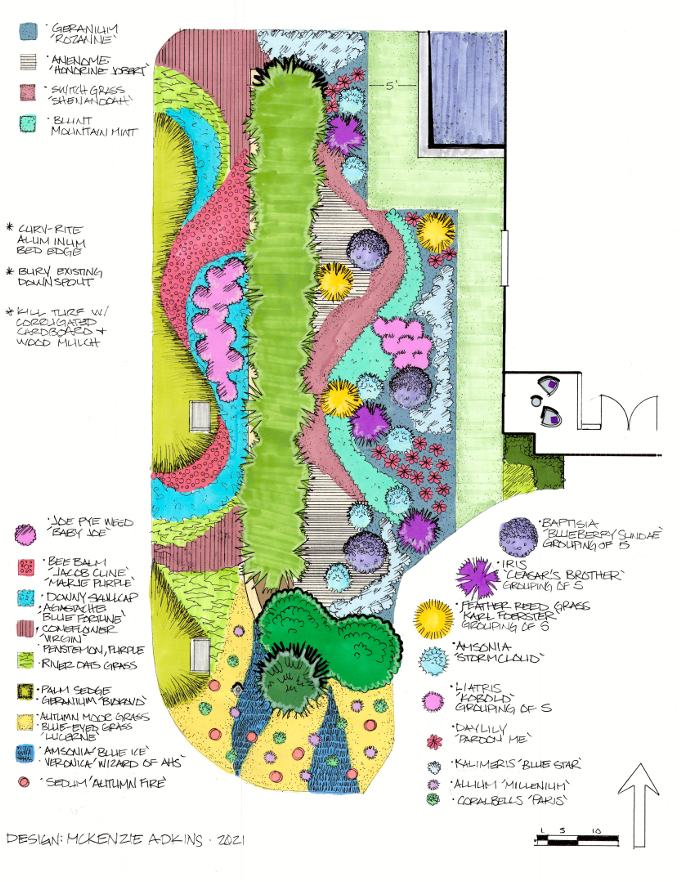
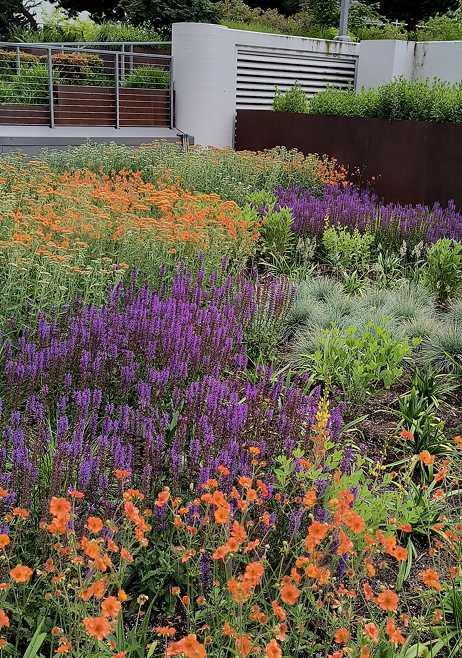
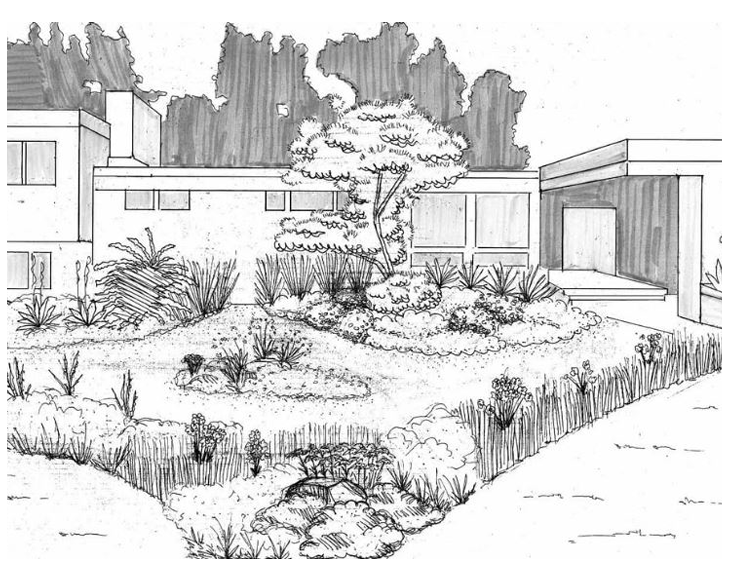
I originally trained in film production, specializing in art direction and set design—disciplines grounded in shaping atmosphere and guiding how people experience a space. Landscape design follows the same principles, using living materials to create mood and rhythm. At its best, it feels like conducting a symphony, carefully orchestrating the rise and fall of seasonal interest throughout the year.
How would you define your approach to landscape design today?
Functionality is the foundation of every successful landscape. How a client intends to use a space should drive all design decisions. Otherwise, the result becomes style over substance and an inefficient use of the client’s investment.
Is there a project that best represents your work or approach? What makes it stand out?
I approach every project with the same level of care, regardless of scale, always looking for opportunities to introduce thoughtful details or creative solutions that elevate the outcome.
Are there specific materials, plant palettes, or design elements you consistently return to in your work? Why?
When appropriate, I prioritize plant palettes that support wildlife and ecological health. A completely sterile outdoor environment misses the opportunity to add value beyond aesthetics. At that point, one might as well build an addition rather than explore the potential of the landscape.
What shifts are you seeing in how outdoor spaces are designed or used today?
Since COVID and the shift toward working from home, clients increasingly want their homes to function as personal retreats, with an emphasis on relaxation and entertaining. Features such as detached dry saunas are becoming popular additions.
What experiences, people, or projects have had the greatest influence on your perspective as a designer?
I’m grateful for the collaboration and field expertise of maintenance technicians and installation teams who help ensure my designs are both beautiful and practical.
What’s something about landscape architecture that you wish more clients or homeowners understood?
Ultimately, I believe strongly in the principle of placing the right plant in the right location. Thoughtful plant selection reduces long-term maintenance, saves money, and preserves natural form. For example, choosing a hedge that matures at six feet is far more effective—and sustainable—than installing a species that requires constant pruning and inevitably loses its integrity over time.
To see more projects and current designs, follow Bear Creek on Instagram, Facebook, and LinkedIn.